
 View Flyer
 Rx Refill
 Directions
Understanding your body is one of the most powerful tools you possess. And breast cancer screening is not just a clinical requirement; it’s a vital act of self-care.
Whether you are navigating your 40s or proactively managing your risk factors, understanding breast cancer screening, recognizing breast cancer symptoms, and knowing when to schedule your next mammogram are some of the most powerful steps you can take to protect your long-term health.
Prevention is our priority, and early detection is our greatest ally. In this guide, we will walk you through the essential steps to help you take charge of your breast health, providing the clarity and support you need to live your fullest life.
How Screening Helps Early Detection
According to the Government of Canada:
“Screening mammograms can help detect breast cancer early before it spreads to nearby tissues or organs. Early detection can increase treatment options, reduce complications and improve survival”.
There is a fundamental difference between screening and diagnostic testing, though, that often confuses patients. Screening is for individuals who do not have symptoms. It’s a proactive check, designed to catch abnormalities before they become problematic. Diagnostic testing, conversely, is used when a symptom is already present, such as a lump or persistent pain, to investigate the specific cause.
The benefits of early detection cannot be overstated. By detecting cancer at an early stage, often before symptoms even develop, we increase the chances of successful treatment and survivability. Early-stage detection often allows for less invasive treatment options, leading to better overall quality of life.
Who Should Consider Breast Cancer Screening?
Risk assessment is personal. Generally, individuals are categorized as average-risk or high-risk. Average-risk individuals are those without a personal or significant family history of breast cancer. High-risk individuals, however, may have genetic predispositions (such as BRCA1 or BRCA2 mutations) or significant family history. These factors, alongside breast tissue density, heavily influence your personalized screening schedule and frequency.
Canadian Screening Guidelines
In Canada, screening programs are organized provincially and territorially. While guidelines can vary slightly by region regarding the exact age to start (often between 40 and 50), the consensus is clear: routine screening is the cornerstone of early detection. . We encourage you to visit your provincial health authority’s website or speak with your local RxHealthMed pharmacist to understand the specific screening guidelines in your community. 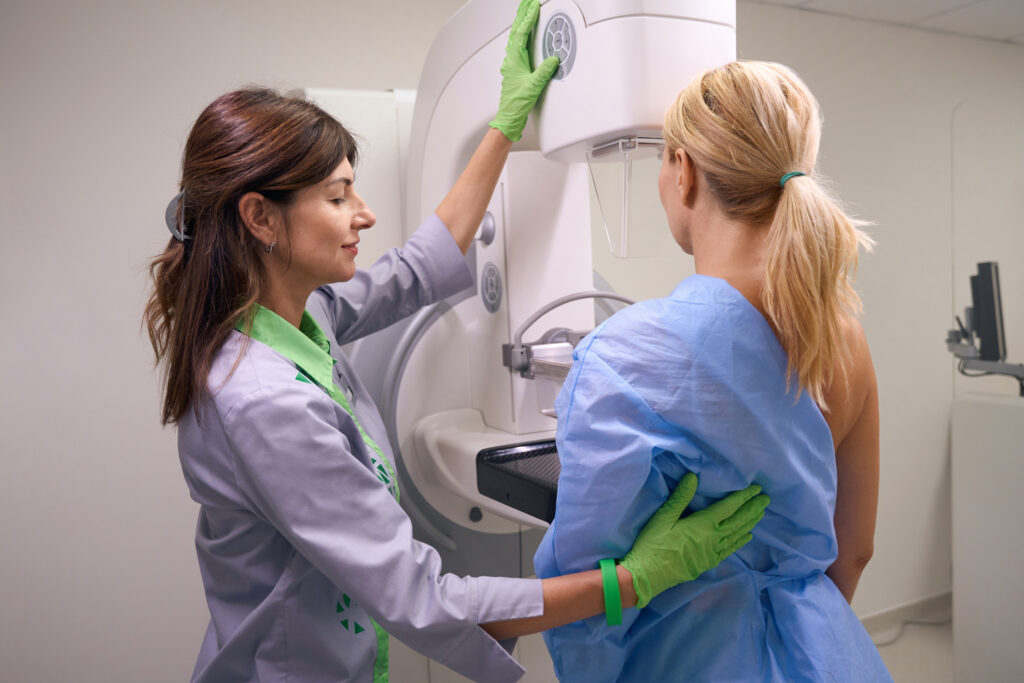
Mammogram Canada: What to Expect
A mammogram is a specialized X-ray of the breast. It’s the gold standard for screening, using low-dose radiation to create detailed images of breast tissue. Modern facilities often offer both 2D (traditional) and 3D mammograms (tomosynthesis). 3D mammograms provide a clearer view, which is particularly beneficial for those with dense breast tissue, allowing radiologists to see through overlapping layers of tissue more effectively.
Preparing for your Mammogram Appointment
Preparation is simple but important. On the day of your appointment, it’s recommended to wear a two-piece outfit, as you will need to undress from the waist up. Crucially, avoid using deodorants, lotions, powders, or perfumes on your underarms or chest area, as these can show up as white spots on the X-ray, potentially leading to inaccurate results or the need for a repeat exam. Try to schedule your appointment for a week after your menstrual period if you are pre-menopausal, as your breasts may be less tender during this time.
What Happens During the Procedure?
During the mammogram, a technologist will position your breast on a specialized plate. Another plate will gently but firmly compress the breast for a few seconds. While this compression might cause brief discomfort, it’s essential for spreading the tissue to ensure a clear image. The entire procedure usually takes about 15–20 minutes. Results are typically sent to your primary healthcare provider within a few weeks, though you may receive a notification earlier depending on the facility.
Understanding Your Risk
Risk Factors You Can’t Change
It’s important to acknowledge that some breast cancer risks are outside of our control.
These include:
- Age: The risk increases as you get older.
- Family history and genetics: Carrying specific gene mutations like BRCA1 or BRCA2 significantly impacts risk.
- Personal history: If you have previously been treated for breast cancer, your risk profile is different.
- Dense breast tissue: Having more fibrous tissue than fat in your breasts can make both cancer harder to detect and slightly increase risk.
Lifestyle Factors that May Increase risk
While genetics play a role, lifestyle adjustments can help manage your overall risk. Alcohol consumption, even in moderate amounts, has been linked to an increased risk of breast cancer. Physical inactivity and carrying excess body weight, particularly after menopause, can also elevate your risk. Smoking, as with many other health conditions, is a significant, modifiable risk factor that can greatly impact your long-term health.
Who May Need Earlier or Additional Screening?
For those with a strong family history, known genetic mutations, or a history of chest radiation, the standard guidelines may not apply. These individuals may require more frequent screening or advanced imaging techniques like breast MRIs. If you fall into a high-risk category, it’s vital to discuss an enhanced screening plan with your physician or a specialist.
Recognizing Breast Cancer Symptoms
Symptoms That Should Never Be Ignored
While screening is vital, it’s equally important to be aware of your body.
Symptoms that warrant an immediate conversation with your doctor include:
- Any new lump or thickening in the breast tissue or underarm area (whether it feels hard or soft.)
- Noticeable changes in the size or shape of the breast.
- Dimpling, puckering, or thickening of the skin (resembling an orange peel).
- Nipple inversion (turning inward) or unusual discharge (other than breast milk).
- Persistent breast pain that does not resolve.
These symptoms do not automatically mean cancer, many benign conditions present similarly, but they always require a prompt medical assessment. Do not wait for your next screening appointment if you notice these changes. 
Breast Self Exam: Knowing What Is Normal for You
Should You Perform a Breast Self Exam?
Modern medical guidance has shifted toward “breast self-awareness.” Instead of a rigid, clinical exam, we encourage becoming familiar with the normal texture and shape of your breasts. This familiarity makes it much easier to spot when something changes.
How to Perform a Self Exam
To perform a self-exam, consider the following approach:
- Visual inspection: Stand in front of a mirror with your shoulders straight and hands on your hips. Look for any changes in shape or skin texture.
- Standing examination: Raise one arm and use the pads of your fingers on the opposite hand to firmly but gently press around your breast in a circular or “up and down” pattern.
- Lying down examination: Repeat the palpation while lying down, as this spreads the tissue more evenly against the chest wall.
Breast Cancer Prevention: Steps to Lower Your Risk
Maintain a Healthy Lifestyle
Prevention starts with daily habits. Prioritizing regular physical activity (aiming for at least 150 minutes of moderate activity per week) supports your overall health. Pair this with a balanced, plant-forward diet and maintaining a healthy body weight.
Limit Modifiable Risk Factors
Reduce alcohol intake significantly, as it’s a proven risk factor. If you smoke, take steps toward cessation; your RxHealthMed pharmacist can provide support and resources to help you quit. Additionally, if you are currently using hormone replacement therapy, have an open conversation with your healthcare provider about the potential long-term risks and benefits.
Stay Proactive With Regular Screening
The most effective form of prevention is early detection. Keeping track of your screening appointments and adhering to your recommended schedule ensures that if something is developing, it’s caught at the earliest possible stage. 
What Happens If a Mammogram Finds Something?
Understanding Abnormal Screening Results
Receiving an abnormal result can be distressing, but please remember: an abnormal screening result does not necessarily mean you have cancer. It often means that the radiologist saw something that needs a closer look, such as a cyst, dense tissue, or a benign calcification.
Possible Next Steps
Following an abnormal screening, your medical team will likely order follow-up tests, which may include a diagnostic mammogram, a breast ultrasound, or even an MRI. In some cases, a biopsy may be performed to definitively determine the nature of the tissue. This is a standard and necessary process to ensure accuracy.
How Your Pharmacist Can Support Breast Health
Health Education and Risk Awareness
At RxHealthMed, our pharmacists are your community health partners. We are here to help you navigate screening recommendations, explain what they mean for you, and promote a proactive approach to your health.
Medication and Treatment Support
Access to cancer medications varies by province, treatment centre, and medication. Depending on where you live and the treatment prescribed, oral cancer medications may be dispensed through a cancer centre, hospital pharmacy, or community pharmacy .
Pharmacists can provide essential guidance on managing your treatment plan, including information on hormonal therapies like Tamoxifen, and we encourage you to speak with us about any questions you may have.
Connecting you with additional Healthcare Resources
We can also help connect you with local physicians, provincial screening programs, and community support groups, ensuring you have a complete support network.
Frequently Asked Questions
At what age should you start breast cancer screening in Canada?
In Canada, depending on your province, breast cancer screening recommendations vary by province and depend on your age and personal risk factors. Generally, breast cancer screening begins between age 40-50, but we suggest speaking with your pharmacist, healthcare provider or local screening program about when screening is appropriate for you.
How often should you get a mammogram in Canada?
Most programs recommend a mammogram every 1 to 2 years for average-risk individuals
What are the earliest breast cancer symptoms?
Earliest breast cancer symptoms are typically a new lump, skin changes, or nipple changes.
What factors increase your breast cancer risk?
Age, family history, and lifestyle factors like alcohol use can all increase breast cancer risk.
Do you need a referral for a mammogram in Canada?
In many provinces you can self-refer for a mammogram appointment.
What should you do if you find a lump in your breast?
Book an appointment with your doctor promptly if you find a lump in your breast.
Conclusion on Breast Cancer Screening
Breast cancer is a significant health concern, but with proactive screening, we can shift the narrative from fear to empowerment. Remember, consistent screening, healthy lifestyle choices, and being aware of changes in your own body are the three pillars of breast health.
Your RxHealthMed team is here to support you at every stage of this journey. We invite you to visit your local pharmacy today to discuss your health needs and ensure you have all the information and support you need to stay on top of your well-being.