
 View Flyer
 Rx Refill
 Directions
Imagine a perfect July afternoon in Canada; the sun is high, the breeze is warm, and you are finally enjoying that long-awaited hike through the local trails. You feel great until suddenly, the path seems a bit steeper than it did ten minutes ago. Your mouth feels like it’s filled with cotton, a dull throb starts behind your eyes, and your legs feel unusually heavy. You might dismiss it as just being “out of shape,” but your body is actually sending an urgent SOS. These are the early dehydration symptoms that many Canadians overlook until the situation becomes critical.
Pharmacists see this scenario play out every summer. Dehydration isn’t just about being thirsty; it is a complex physiological state where your body loses more fluid than it takes in. This disrupts the delicate balance of minerals and salts required for your organs to function. When the mercury rises, your body works overtime to stay cool through sweating, which rapidly depletes your water reserves. If you don’t replace those fluids promptly, you risk moving from mild discomfort to a medical emergency.
Whether you’re an avid athlete or someone simply enjoying a backyard BBQ, understanding summer dehydration is essential for everyone. This guide is designed to help you recognize the warning signs early, understand the unique risks posed by certain medications, and provide steps to keep your family safe.
What Is Dehydration?
Dehydration occurs when the total water content in your body drops below a healthy level. Water is the primary component of the human body, making up about 60% of our total weight and playing a vital role in almost every bodily function. It regulates our temperature, lubricates our joints, flushes out waste products through our kidneys, and carries essential nutrients and oxygen to our cells. When we lose even a small percentage of this fluid without replenishing it, our biological systems begin to struggle.
It is important to distinguish between mild, moderate, and severe dehydration. Mild dehydration might only cause a dry mouth or slight fatigue, which is often easily corrected by drinking water. Moderate dehydration involves more pronounced symptoms like dizziness or dark urine.
Severe dehydration is a serious medical condition that can make it difficult for the body to function properly. Seeking medical care promptly can help prevent complications and support recovery.
Who Is Most at Risk for Dehydration?
While anyone can fall victim to the summer heat, certain physiological factors and lifestyles make some individuals much more vulnerable. Understanding these risk profiles allows us to take proactive measures to protect those who might not realize they are in danger until it is too late.
Can Anyone Become Dehydrated?
Yes, dehydration does not discriminate. Even the healthiest adult can become dehydrated if they are physically active in high temperatures without adequate fluid replacement. The combination of high humidity and high temperatures is particularly dangerous because humidity prevents sweat from evaporating effectively, meaning the body cannot cool itself as efficiently despite losing large amounts of fluid. We often see cases where people simply forget to drink because they are distracted by work or play, or they rely on beverages like soda or alcohol which do not hydrate as effectively as water.
Why Are Children and Older Adults at Higher Risk?
According to the Canadian Red Cross, “Young children, the elderly, those with chronic illnesses such as heart disease, and those taking certain medications can become ill in hot, humid weather faster than healthy adults.”
Children may not recognize the sensation of thirst or may be too engaged in play to stop for a water break. And older adults naturally have a lower volume of water in their bodies as they age. As well, the thirst mechanism becomes less sensitive over time, meaning a senior might be significantly dehydrated before they even feel thirsty. Many seniors also take medications that further complicate their fluid balance.
Why Athletes and Outdoor Workers are More Vulnerable
Athletes and those who work outdoors, such as construction crews or landscapers, face extreme risks due to prolonged exposure and physical exertion. When you exercise or perform manual labor in the sun, your sweat rate can exceed two liters per hour. It is physically difficult to consume and absorb fluid at that same rate.
For these individuals, dehydration isn’t just a risk; it’s an occupational hazard. They must follow strict hydration protocols, including “pre-hydrating” before their shift or workout and consuming electrolyte-rich fluids to replace the salts lost through heavy perspiration.
10 Common Dehydration Symptoms
Recognizing the early signs of fluid loss is the best way to prevent a minor issue from becoming a major health crisis.
These ten symptoms are frequently seen by pharmacists during the summer months:
- Excessive thirst: This is your brain’s first signal that it needs more water. Do not wait until you are parched to drink.
- Dry mouth and cracked lips: A lack of moisture in the mucous membranes is a clear physical indicator of low fluid levels.
- Dark yellow urine: Your kidneys concentrate urine to save water. Ideally, your urine should be the colour of pale lemonade, not apple juice.
- Fatigue and weakness: Without enough fluid, your blood volume drops, leading to lower blood pressure and reduced oxygen delivery to your muscles.
- Dizziness or lightheadedness: Often occurring when you stand up quickly, this is a sign that your brain isn’t receiving enough blood flow due to low fluid volume.
- Headaches: The brain can actually shrink slightly away from the skull when dehydrated, causing significant pain.
- Muscle cramps: Loss of electrolytes like sodium and potassium through sweat leads to involuntary and painful muscle contractions.
- Rapid heartbeat: Your heart must beat faster to maintain blood pressure and circulate more blood to the skin’s surface.
- Confusion or irritability: Dehydration directly impacts cognitive function. If someone becomes suddenly confused in the heat, it is a red flag.
- Dry skin and reduced sweating: In severe cases, your body stops sweating entirely to preserve what little fluid remains. This is a precursor to heatstroke.

Causes of Dehydration in Summer
Understanding the “why” behind dehydration helps us build better prevention strategies. While the heat is the obvious culprit, it often works in tandem with other factors.
Excessive Sweating
Sweating is our natural air conditioning, but in the summer, it can be relentless. On a hot day, you can lose several liters of water just by existing outdoors. This is compounded by humidity; when the air is “heavy” with moisture, your sweat stays on your skin rather than evaporating, which triggers the body to sweat even more in a futile attempt to cool down. This cycle can drain your fluid reserves with surprising speed.
Not Drinking Enough Water
It sounds simple, but most people simply do not drink enough. The general “eight glasses a day” rule is often insufficient during a Canadian heatwave. Thirst is actually a “lagging indicator.” Meaning, by the time you feel thirsty, you are likely already 1% to 2% dehydrated. We recommend carrying a reusable water bottle at all times to encourage “micro-sipping” throughout the day, rather than trying to chug a large amount of water once you already feel poorly.
Vomiting or Diarrhea
Summer isn’t just about heat; it’s also a peak time for foodborne illnesses from improperly stored picnic foods. Vomiting and diarrhea cause a rapid and dangerous loss of fluids and electrolytes. If you are already dealing with the heat, these illnesses can lead to severe dehydration in a matter of hours. In these cases, plain water may not be enough, as the body needs to replace the lost salts and minerals quickly.
Alcohol and Caffeine Consumption
While a cold beer or an iced latte might feel refreshing, they can actually contribute to dehydration. Both alcohol and caffeine are diuretics, meaning they encourage your kidneys to flush more water out of your system. If you are consuming these beverages in the sun, you must “double down” on your water intake to compensate for their dehydrating effects. A good rule of thumb is to drink one glass of water for every alcoholic or caffeinated beverage you consume.
Certain Medications
Many people are unaware that their daily prescriptions can significantly increase their risk of heat-related illness. Medications can interfere with the body’s ability to regulate temperature or maintain fluid balance in several ways.
For example, some drugs affect the hypothalamus (the body’s thermostat), while others may reduce your ability to sweat or alter your perception of thirst.
Any medication with the potential to affect the following can put someone at a higher risk of heat illness:
- Cardiac output
- Peripheral vasodilation
- Sweat rate
- Renal function
- Body hydration
- Electrolyte status
Some examples of drug classes that require extra caution include:
- Antipsychotics/Neuroleptics
- Antidepressants
- Lithium
- Stimulants
- Anti-epileptics
- Anti-Alzheimer’s agents (Cholinesterase inhibitors)
- Anti-Parkinson’s agents
- Diuretics
- Nitrate vasodilators
- ACE inhibitors
- Calcium channel blockers & beta blockers
Warning: If you are taking any of the above medications, please consult with us at RxHealthMed or speak to your healthcare provider. We can help you understand how your specific prescription might affect your heat tolerance and help you create a safe hydration plan.
Complications of Dehydration
If left unaddressed, dehydration can lead to serious, long-term health consequences. It is not something to “tough out” or “see if it passes.”
- Heat exhaustion and heatstroke: This is a spectrum. Heat exhaustion involves heavy sweating and a rapid pulse. If it progresses to heatstroke, your body temperature can climb to 40°C or higher, which requires urgent medical treatment.
- Kidney problems: Frequent or prolonged bouts of dehydration can cause kidney stones and, in severe cases, acute kidney failure.
- Electrolyte imbalance: Your cells use electrolytes to carry electrical signals. If these are out of balance (too little sodium for example), it can lead to heart arrhythmias or “water intoxication” of the cells.
- Low blood pressure: A drop in blood volume leads to a drop in pressure, which can cause fainting and injuries from falls.
- Fainting or seizures in severe cases: Significant electrolyte disturbances can interfere with the brain’s electrical activity, leading to involuntary muscle contractions or loss of consciousness.
How Is Dehydration Diagnosed?
When you visit a healthcare provider for suspected dehydration, they will likely use several methods to determine the severity and the best course of action.
First, they generally perform a physical examination. They check for “skin turgor.” If the skin on the back of your hand is pinched and it stays “tented” rather than snapping back, it’s a sign of fluid loss. They will also likely check your blood pressure (often while you are sitting and then standing) and your heart rate. A high heart rate combined with low blood pressure is a classic indicator that your fluid volume is dangerously low.
Next, the provider will review your dehydration symptoms. They will ask about your recent fluid intake, your activity levels in the sun, and your urination frequency. The goal is to confirm if you’ve been experiencing headaches, dizziness, or confusion. This clinical history is vital for distinguishing between simple thirst and a more systemic issue.
For more severe cases, they will use blood and urine tests. A urine test can show how concentrated your urine is and if there are signs of kidney stress. Blood tests are used to check your electrolyte levels (sodium, potassium, chloride) and your kidney function (creatinine and blood urea nitrogen [BUN] levels). These tests help us determine if you can be treated with oral fluids or if you require intravenous (IV) hydration in a hospital setting.
Dehydration Treatment Options
The goal of treatment is to replace lost fluids and electrolytes. The method depends entirely on the severity of the symptoms.
Drinking Water and Fluids Slowly
For mild dehydration, the best approach is to sip small amounts of water or clear fluids frequently. Do not chug large amounts of water all at once, as this can overwhelm your stomach and may lead to vomiting, which will only worsen the dehydration. Instead, aim for steady, consistent hydration over several hours.
Electrolyte Drinks and Oral Rehydration Solutions
When you’ve been sweating heavily or ill, water alone may not be enough because it doesn’t replace the lost salts.
- Oral Rehydration Solutions (ORS): These contain specific ratios of salt and sugar to maximize water absorption in the gut.
- Electrolyte beverages: Sports drinks can be helpful for athletes, though be mindful of high sugar content.
- Coconut water: A natural alternative that is rich in potassium and magnesium.
Resting in a Cool Place
You cannot rehydrate effectively if your body is still fighting the heat. Move to an air-conditioned building or a shady spot with a breeze. Remove any excess clothing and use fans or cool mists to help lower your core temperature while you drink. This reduces the “thermal load” on your body, allowing it to focus on absorbing the fluids you are providing. 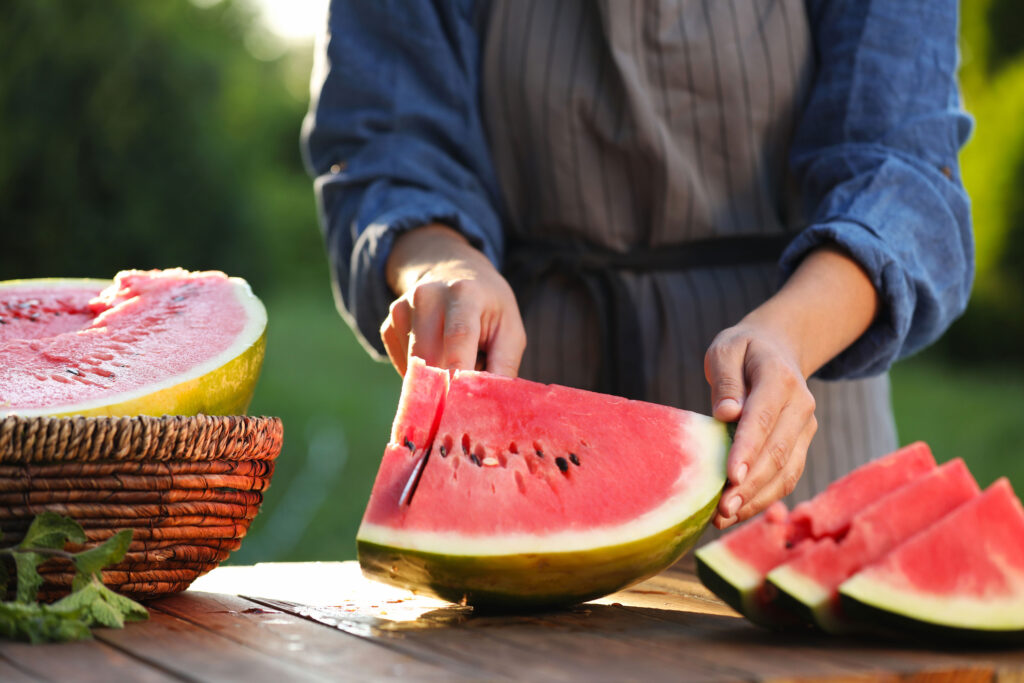
Eating Water-Rich Foods
Hydration doesn’t just come from a glass; about 20% of our daily water intake comes from food. Incorporating these snacks can provide a gentle, steady source of fluids and vitamins:
- Watermelon: Over 90% water and contains the antioxidant lycopene.
- Cucumber: Mostly water and very cooling.
- Oranges and Strawberries: High water content plus Vitamin C to support overall health.
Seeking Medical Care For Severe Dehydration Symptoms
If the person is unable to keep fluids down, is excessively confused, or has stopped urinating, immediate medical intervention is required. In these cases, “home remedies” are no longer safe. Emergency rooms use IV fluids to bypass the digestive system and deliver hydration and electrolytes directly into the bloodstream. This is the fastest and safest way to stabilize a person in a crisis.
Home Remedies
For mild cases, simple steps can make a big difference:
- Rest and cooling down: Stop all physical activity immediately.
- Avoiding alcohol: It will only dehydrate you further.
- Wearing lightweight clothing: Opt for loose, light-colored fabrics like cotton or linen.
- Taking cool showers: This helps lower body temperature through conduction.
How to Prevent Dehydration During Summer
When it comes to dehydration, prevention is key. By making a few small adjustments to your summer routine, you can significantly reduce your risk of dehydration.
Tips for Staying Hydrated and Avoiding Dehydration Symptoms
To stay hydrated, we recommend setting a “hydration schedule.” Drink a glass of water first thing in the morning and one before every meal. If you are exercising, drink 500ml of water two hours before you start, and continue to sip every 15–20 minutes during your activity. Don’t wait for your body to tell you it’s thirsty.
Be mindful of your environment. Avoid the sun during the peak hours of 10:00 AM to 4:00 PM when the UV index and temperatures are highest. If you must be outside, wear a wide-brimmed hat and “breathable” clothing that allows air to circulate. Limit your intake of sugary beverages and alcoholic drinks, which can lead to a “crash” and further fluid loss. Finally, keep a close eye on your urine colour throughout the day. This is often your body’s most honest feedback.
When Should You See a Doctor?
It is vital to know when a situation has moved beyond “home care”.
Please seek medical attention immediately if you or a loved one experiences:
- Severe dehydration symptoms: Such as extreme lethargy or a very rapid, weak pulse.
- Persistent vomiting or diarrhea: Especially if it lasts more than 24 hours or you cannot keep any liquids down.
- Confusion or fainting: This indicates the brain is being affected.
- Lack of urination: If you haven’t produced urine in 8–12 hours.
- High fever with dehydration: A temperature over 39°C combined with the symptoms above is a major warning sign.
People Also Ask
What are the first signs of dehydration?
The very first signs are usually a dry or sticky mouth, a slight headache, and a feeling of thirst. You might also notice your urine is darker than usual. These are your body’s “early warning” signals to start hydrating immediately.
How much water should I drink in hot weather?
While the standard recommendation is about 2–3 liters a day, this can double during a heatwave or if you are active. A good rule is to drink enough so that your urine remains a pale, straw-like colour throughout the day.
What are severe dehydration symptoms?
Severe symptoms include extreme confusion, dizziness that prevents standing, a lack of sweating even in high heat, rapid breathing, and unconsciousness. This is a medical emergency.
Can dehydration cause headaches and dizziness?
Absolutely. When you are dehydrated, your blood volume drops, which can lead to lower blood pressure and reduced oxygen to the brain, causing both pain and lightheadedness.
What is the fastest way to treat dehydration?
For mild cases, sipping an Oral Rehydration Solution (ORS) can be very effective, as it optimizes water absorption. For severe cases, intravenous (IV) fluids administered by a healthcare professional is the fastest method.
Final Key Points About Dehydration Symptoms
Staying hydrated is one of the most important things you can do to ensure a safe and enjoyable summer. By recognizing the dehydration symptoms early and understanding the risks associated with heat and certain medications, you can protect yourself and your family. Remember that hydration is a proactive task, not a reactive one.
At RxHealthMed, our pharmacists are here to support your healthy lifestyle. Whether you have questions about how your medications interact with the heat or you need advice on the best electrolyte solutions for your kids, we are your local health experts. We take pride in being a trusted part of your community, helping you live your fullest, most vibrant life.