
 View Flyer
 Rx Refill
 Directions
Imagine waking up, and before even stepping out of bed, you have a detailed report on how well your body recovered overnight. You know your resting heart rate, how long you spent in deep sleep, and even whether your blood oxygen levels dropped.
It sounds like science fiction, right? But it’s not. This is the everyday reality enabled by modern digital health tools.
For too long, managing our well-being has felt like a reactive process. A trip to the doctor only when symptoms appear. But today, the power of proactive health management is literally at our fingertips. The key player in this revolution is the health tracker. Whether you are considering a new smart watch with health features, downloading one of the many health apps, or exploring more specialized health monitoring devices like a continuous glucose monitor, we understand that navigating this new landscape here in Canada, can be overwhelming.
This comprehensive guide explores how these advancements are transforming our approach to wellness and making proactive healthcare accessible for every Canadian.
What Is Health Technology?
Health technology, or “HealthTech,” refers to the application of various digital and electronic tools to improve health and healthcare services. This broad category encompasses everything from complex Electronic Health Records (EHR) used in hospitals to simple, consumer-grade devices and health apps we use every day. The goal is simple: give individuals greater control and insight into their own well-being.
At the heart of HealthTech’s rise is the wearable health tracker device. These technologies rely on biosensors to collect physiological data directly from the user, turning raw data like heartbeats and footsteps into actionable insights. In Canada, we are seeing a rapid adoption of these tools as part of a shift toward personalized and preventative care, moving the focus from treating illness to maintaining wellness.
Who Can Benefit from a Health Tracker?
The short answer is: nearly everyone. While many people associate a health tracker or fitness tracker device with elite athletes, the benefits extend beyond calculating calories burned. These devices have proven invaluable for a vast cross-section of the population, from those managing chronic conditions to individuals simply looking to improve their quality of life.
Benefits of Using Health Monitoring Devices
The primary value of health monitoring devices lies in their ability to offer consistent, objective data that was once only available in a clinical setting.
We have found that the most significant advantages include:
- Tracking daily activity and exercise: Accurate monitoring of steps taken, distances covered, and workout intensity, which helps in setting and achieving goals.
- Monitoring heart rate, sleep, and stress: Understanding baseline metrics helps identify patterns that might indicate the need for lifestyle changes or consultation with a professional. Sleep tracking, in particular, offers detailed analysis of sleep stages, helping users improve restorative rest.
- Supporting weight management and wellness goals: By integrating with health apps and nutrition logging, users gain a 360-degree view of their calorie intake versus expenditure, supporting healthier habits.
- Helping manage chronic conditions: For conditions like hypertension or diabetes, continuous monitoring is critical. These devices such as offer a non-invasive way to keep tabs on key metrics, which can be shared directly with healthcare providers.
- Providing real-time health insights: Alerts for abnormal heart rhythms or other critical deviations allow for timely intervention, making health monitoring truly proactive.
Popular Types of Health Monitoring Devices
The market is filled with various health monitoring devices, each designed for specific needs:
- Fitness trackers: Typically worn on the wrist, these are focused on activity data such as steps, calories, distance, and basic sleep tracking. They are the entry point for most consumers seeking a health tracker.
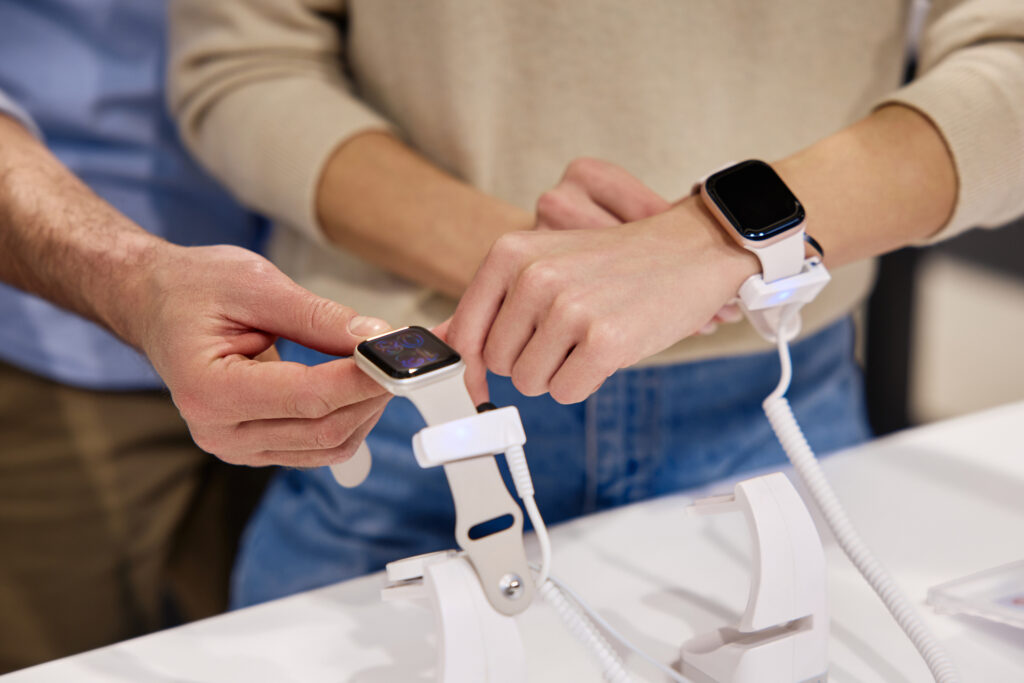
- Smart watches with advanced health features: These combine the functionality of a fitness tracker with sophisticated diagnostic tools like ECGs and blood oxygen sensors, making them powerful health monitoring devices.
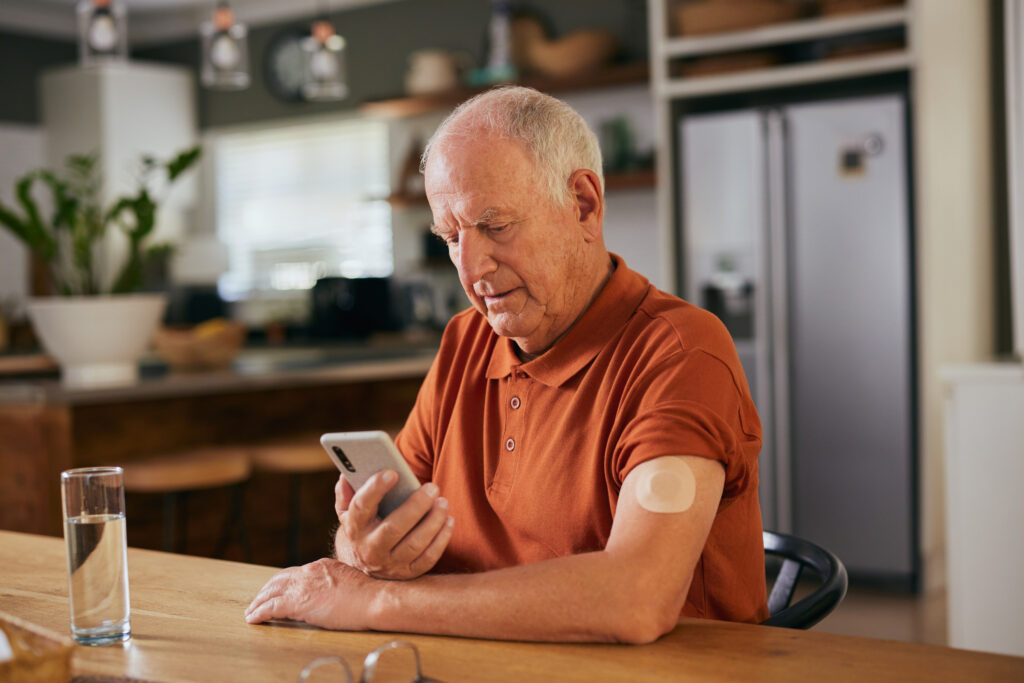
- Continuous glucose monitor (CGM) systems: A transformative technology for people with diabetes, the continuous glucose monitor eliminates the need for frequent finger pricks by measuring glucose levels in interstitial fluid (the liquid found in spaces surrounding and between cells) around the clock, providing real-time data and trend analysis. This type of monitoring by devices such as Freestyle Libre and Dexcom has significantly improved diabetes management in Canada.
- Blood pressure monitors: These devices, often arm or wrist cuffs, allow for regular, easy-to-use at-home tracking, which is essential for managing hypertension.
- Health and wellness mobile apps: These health apps serve as the centralized data hub for all wearables, providing analytics, personalized coaching, and integration with other health services.
Smart Watch Health Features Explained
The evolution of the smartwatch has turned it into a powerful medical-adjacent tool. Modern smart watch health features offer sophisticated monitoring capabilities, often with features cleared by regulatory bodies in Canada:
- Heart rate and ECG monitoring: Many smartwatches offer a basic heart rate sensor (photoplethysmography or PPG) for continuous tracking and an electrocardiogram (ECG) function. The ECG can detect signs of atrial fibrillation (AFib), an irregular heart rhythm that can increase the risk of stroke.
- Blood oxygen tracking (SpO2): Measures oxygen saturation in the blood. Consistent low readings can signal underlying respiratory or sleep issues, such as sleep apnea.
- Sleep and stress tracking: These functions analyze heart rate variability (HRV) and movement to estimate stress levels and the quality and duration of different sleep phases (REM, deep, and light).
- Fall detection and emergency alerts: Utilizing accelerometers, watches can detect a hard fall and, if the user doesn’t respond, automatically call emergency services and alert designated contacts, a critical feature for older adults.
- Women’s health tracking: Includes features for logging menstrual cycles, tracking fertility windows, and providing insights into how physiological data changes throughout the cycle.
How Wearables Support Preventive Healthcare
Preventive healthcare is about maintaining health and avoiding illness, and wearables are uniquely suited for this role:
- Can help detect potential health concerns early: By tracking baselines, your normal resting heart rate, typical sleep patterns, and daily activity levels, a sudden or sustained change can be flagged. For example, an unusually elevated resting heart rate could be an early warning sign of illness or an underlying cardiac issue, prompting a user to seek medical advice before symptoms become severe.
- Help stay active: Immediate, visible data motivates users to maintain healthy activity levels, turning daily movement into a gamified, achievable goal.
- Improve long-term wellness habits: Consistency is key to wellness. Health monitoring devices provide the continuous feedback loop necessary to establish and maintain habits related to diet, exercise, and sleep hygiene.
Are Health Trackers Accurate?
This is a question pharmacists often hear and the accuracy of a health tracker depends largely on its intended purpose:
- Differences between medical-grade and fitness devices: Medical-grade devices (e.g., clinically approved blood pressure monitors, certain ECG features, or a continuous glucose monitor) are regulated and cleared by health authorities (like Health Canada) for medical accuracy. Consumer fitness tracker devices, while offering excellent estimations for trends and motivation, are generally not regulated as medical devices. Their primary function is to track general activity and wellness, not diagnose or precisely measure critical values.
- Why they should not replace professional medical advice: While the data generated by a health tracker can be incredibly insightful and a useful tool for discussions with your healthcare provider, it should never be used as a substitute for professional medical advice, diagnosis, or treatment. If your device shows an abnormal reading, consult a healthcare professional for verification and guidance.
Risks and Limitations of Health Technology
Despite the transformative benefits, HealthTech does come with certain risks and limitations:
- Privacy and data security: Consumer data is collected, stored, and analyzed by companies. Users must be mindful of privacy policies and understand how their personal health data is being protected and potentially shared.
- Inaccurate readings: As mentioned, non-medical grade devices can sometimes produce inaccurate readings, particularly under certain conditions (e.g., poor fit, heavy exercise, or skin tone variations), which can lead to unnecessary anxiety or, worse, false reassurance.
- Over-reliance on wearable data: Some users may become overly focused on the data (“data obsession”) to the detriment of listening to their body’s actual symptoms or feelings.
- Subscription costs and compatibility issues: Many smart watch health features or specialized health apps require a recurring subscription fee, and not all trackers are compatible with all smartphones or existing electronic health platforms.
How to Choose the Right Health Tracker
Selecting the best health tracker for your needs in Canada involves asking yourself a few key questions:
- What is your primary goal? If it’s simply monitoring activity, a basic fitness tracker model suffices. If you need clinical-grade heart monitoring or blood glucose tracking, you must seek out a device with regulatory clearance.
- What metrics are most important? Look for specific features: sleep, ECG, SpO2, or continuous glucose monitor capability.
- What is your budget? Be aware of both the upfront hardware cost and any required subscription fees for the full suite of health apps or data analysis.
- How reliable is the data? Research user reviews and check if the device’s features, especially those related to heart health, have been clinically validated or reviewed by Health Canada.
- Is it compatible? Ensure the device integrates smoothly with your existing smartphone and, ideally, with any virtual care platforms or healthcare providers you use.
The Future of Health Technology in Canada
Emerging Trends
The landscape of HealthTech in Canada is evolving quickly, promising even more seamless integration with our national healthcare system.
Several emerging trends include:
- AI-powered health insights: Artificial intelligence is moving beyond basic trend analysis to predict potential health risks, such as flagging high-risk individuals for specific chronic conditions based on complex data patterns collected by their health tracker.
- Remote patient monitoring (RPM): This involves healthcare professionals actively using patient data (e.g., blood pressure, weight, or continuous glucose monitor readings) transmitted from home to manage conditions remotely. This is particularly beneficial for managing chronic diseases and reducing the need for frequent in-person appointments.
- Virtual healthcare integration: The rise of Virtual Care platforms is integrating remote consultation with personal health data. Canadian residents can connect with general practitioners online for advice, prescriptions, and more. This seamless connection between your personal health apps and virtual doctors will dramatically improve accessibility and personalized care.
- Advancements in wearable technology: The next generation of devices will likely feature non-invasive, continuous monitoring of metrics like blood pressure and even blood alcohol levels, turning the smart watch health features of today into comprehensive, on-demand diagnostic hubs.
When Should You Talk to a Healthcare Provider?
While your health tracker is a powerful tool, it’s not a substitute for clinical expertise. We encourage you to reach out to a healthcare professional at your local RxHealthMed pharmacy or clinic immediately if:
- If devices show abnormal readings: Whether it’s a persistent high blood pressure reading from a monitor, an irregular ECG result flagged by a smartwatch, or unusual readings from a continuous glucose monitor, these require professional verification.
- If symptoms persist: If you are experiencing concerning symptoms, even if your health tracker data appears normal, always prioritize your physical feelings and seek medical advice.
People Also Ask
What is the best health tracker in Canada?
The “best” device depends on your goals. For comprehensive wellness and advanced features like ECG, a top-tier smartwatch is recommended. For purely activity and motivation, a basic fitness tracker Canada device is excellent. For diabetes management, a continuous glucose monitor system is the most effective technology. We recommend prioritizing devices with strong user reviews and features verified by healthcare bodies if accuracy is critical.
Can a smart watch detect health problems?
Yes, many modern smartwatches, with their advanced smart watch health features, can detect signs of certain health issues, particularly cardiac irregularities like atrial fibrillation (AFib) via ECG. They can also flag potential issues through blood oxygen tracking or persistent changes in resting heart rate. However, they can only flag an anomaly; a healthcare provider must diagnose the problem.
What are the benefits of a continuous glucose monitor?
The primary benefit of a continuous glucose monitor is continuous, real-time tracking of blood glucose levels without the need for frequent finger sticks. This data allows users and their healthcare providers to see trends, understand how diet and exercise affect glucose levels instantly, and make faster, more informed treatment decisions, significantly improving diabetes management.
Are fitness trackers accurate?
Fitness tracker devices are generally accurate for tracking large movements like steps and distance, and good for identifying general trends in metrics like heart rate and sleep. However, they are less accurate than regulated medical-grade health monitoring devices and should be relied upon for motivation and trend analysis rather than precise clinical measurements.
Are health monitoring devices worth it?
Absolutely. The value of health monitoring devices lies in their ability to shift the paradigm from reactive to proactive health management. They empower users with objective data, boost motivation for healthier living, and provide early warnings that can lead to life-saving interventions, making them a worthwhile investment in long-term wellness.
Final Key Points About Health Trackers and Wearable Technology
We are in an age where technology has made health management more personal and powerful than ever before. From simple fitness tracker devices motivating us to walk a few extra steps, to complex health monitoring devices providing life-saving alerts, the tools available today empower us to take charge of our long-term health journey.
For Canadians everywhere, this technology offers a path to better sleep, improved fitness, and more effective management of chronic conditions, all tracked and analyzed through intuitive health apps. But remember, technology is only one part of the equation; expert guidance ensures you are interpreting your data correctly and making the best decisions for your body.
Ask your pharmacist at your closest RxHealthMed pharmacy near you, and discuss the benefits of technology in health.