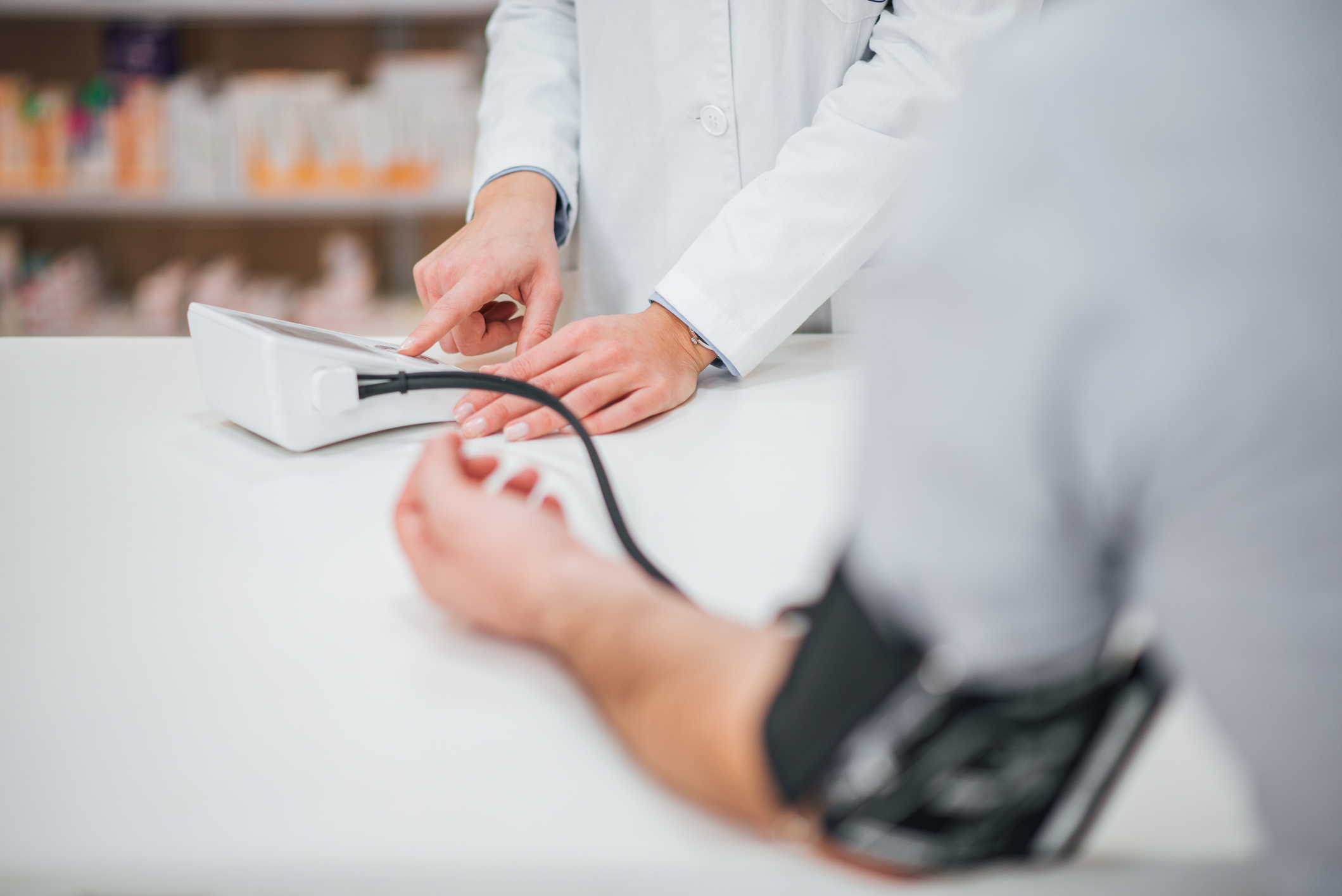
Pneumococcal disease is caused by Streptococcus pneumoniae bacteria and can lead to serious infections including pneumonia, meningitis, and bloodstream infections. Adults over 65, children under 2, and those with certain chronic health conditions face the highest risk. Pneumococcal vaccines offer proven protection against these potentially life-threatening illnesses. Visit your local RxHealthMed pharmacy to find out which pneumococcal vaccine is recommended for you.
Find an RxHealthMed pharmacy near you offering pneumococcal vaccinations. Our pharmacists can help determine which vaccine is right for you based on your age and health history.
Have questions about pneumococcal vaccines? Here you will find answers about the different types available, who benefits most, and what vaccination schedules look like.
The pneumococcal vaccine helps protect against pneumococcal pneumonia, meningitis, and bacteremia (a bloodstream infection) caused by Streptococcus pneumoniae bacteria.
There are two main types: pneumococcal conjugate vaccines (PCV13, PCV20) and the pneumococcal polysaccharide vaccine (PPSV23). Your RxHealthMed pharmacist can recommend the right one or the right sequence based on your age and health needs.
The vaccine is recommended for all adults 65 and older, as well as for people living with chronic conditions such as diabetes, heart disease, or lung disease, those who smoke, and immunocompromised individuals.
Some individuals may benefit from receiving both PCV and PPSV vaccines given in a specific sequence. Your RxHealthMed pharmacist will review your immunization history and guide you on the best approach.
Protection from the pneumococcal vaccine can last for many years. Most healthy adults only need one or two doses over their lifetime, but your pharmacist can advise based on your individual health profile.
Common side effects include mild soreness and redness at the injection site and possibly a low-grade fever. These are temporary and typically resolve within a day or two.
Browse our blog for helpful articles on pneumococcal disease, who is at greatest risk, and how vaccination can reduce your chances of a serious infection.