
 View Flyer
 Rx Refill
 Directions
A tiny sore inside your mouth can cause a surprisingly large amount of pain. One minute you’re eating, brushing your teeth, or drinking your morning coffee without thinking about it. And the next, a small white or yellow spot makes every bite sting. When that happens, finding effective canker sore treatment and fast canker sore relief can quickly become a priority.
Fortunately, most canker sores are harmless and heal on their own. In the meantime, the right treatment can protect the sore, reduce discomfort, and make eating and drinking easier. From a saltwater rinse and protective pastes, to an Orajel canker sore product or another benzocaine gel, several options may provide temporary mouth sore pain relief.
Canker Sores Explained
Canker sores, also called aphthous ulcers, are small, painful ulcers that develop inside the mouth. They commonly appear on the inside of the lips or cheeks, under the tongue, or around the gums and other soft tissues.
Most are considered minor and disappear without leaving a scar. Although there is no instant cure, appropriate treatment can help manage pain and protect the area while it heals.
Canker Sores vs. Cold Sores
According to the Cleveland Clinic:
“Experts aren’t sure what causes canker sores. They do know they’re not contagious. Some people confuse canker sores with cold sores, which are caused by a contagious virus. But canker sores aren’t the same”.
Canker sores develop inside the mouth and are not caused by the herpes simplex virus. Most have a round or oval appearance with a white, yellow, or greyish centre surrounded by a red border.
Cold sores, in contrast, are caused by herpes simplex virus and typically appear as fluid-filled blisters around the lips or outside of the mouth. Cold sores are contagious.
Canker sores are not contagious, so you cannot spread one to another person through kissing, sharing food, or using the same utensils.
What Do Canker Sores Look and Feel Like?
A canker sore may begin with tingling, burning, or tenderness before the ulcer becomes visible.
Once it develops, you may notice:
- A round or oval ulcer inside the mouth
- A white, yellow, or grey centre
- A red, inflamed border
- Pain or burning, particularly when eating or drinking
- Increased sensitivity to spicy, acidic, salty, or crunchy foods
Minor canker sores generally heal on their own within about one to two weeks. Pain is often most noticeable during the first several days.
What Causes Canker Sores?
There is not always one obvious cause. For some people, several factors may contribute to an outbreak.
Minor Mouth Injuries
Small injuries to the mouth are common triggers. You might develop a sore after accidentally biting the inside of your cheek, brushing too aggressively, or eating something that scratches the mouth.
Braces, poorly fitting dentures, or a sharp tooth can also repeatedly irritate the same area.
Stress and Hormonal Changes
Periods of emotional stress may be associated with canker sore outbreaks in some people. Hormonal fluctuations may also play a role, which can help explain why some people notice sores appearing at particular times.
Nutritional Deficiencies
Recurring mouth ulcers can sometimes be associated with nutritional deficiencies, including low levels of:
- Vitamin B12
- Iron
- Folate
- Zinc
If canker sores occur frequently, do not assume a supplement will solve the problem. A healthcare provider can determine whether testing for a deficiency is appropriate. And always speak to your pharmacist or healthcare provider before beginning any new supplement or vitamin. 
Food Sensitivities and Triggers
Certain foods can trigger or aggravate sores in some people. Acidic foods such as citrus fruits and tomatoes may cause irritation, as can very spicy foods.
Individual food sensitivities may also contribute. Keeping track of what you ate before an outbreak can sometimes help to reveal a pattern.
Underlying Medical Conditions
Most canker sores do not indicate a serious illness. However, frequent, severe, or persistent mouth ulcers can occasionally occur alongside conditions such as celiac disease, inflammatory bowel disease, or certain immune-related disorders.
Recurring sores are therefore worth discussing with a healthcare professional, particularly when they are accompanied by digestive symptoms, fever, unexplained fatigue, weight changes, or other health concerns.
Canker sores can also be a common side effect during cancer treatments and should be discussed with the oncologist.
How to Treat Canker Sores Fast
There is no guaranteed overnight cure for treatment, but several approaches can provide relief and create a more comfortable environment for healing.
Protective Oral Gels and Barrier Pastes
Protective gels, films, and oral pastes coat the ulcer, forming a temporary barrier between the sore and food, drinks, teeth, and other sources of irritation.
They can be particularly helpful before meals or at bedtime. Follow the product directions carefully, since application instructions and recommended frequency vary.
Topical Pain Relief Products
Over-the-counter oral anesthetics can temporarily numb a painful ulcer. Benzocaine gel is one example, and some Orajel canker sore products may contain benzocaine or other ingredients designed for oral discomfort.
These products can provide temporary mouth sore pain relief, but they do not necessarily make the ulcer disappear faster. Formulations and approved uses can also vary by product and country, so check the label and ask your pharmacist whether a product is appropriate for you or your child.
Use benzocaine-containing products exactly as directed. Rare but serious adverse effects are possible, and benzocaine products should not be used in children under two years of age.
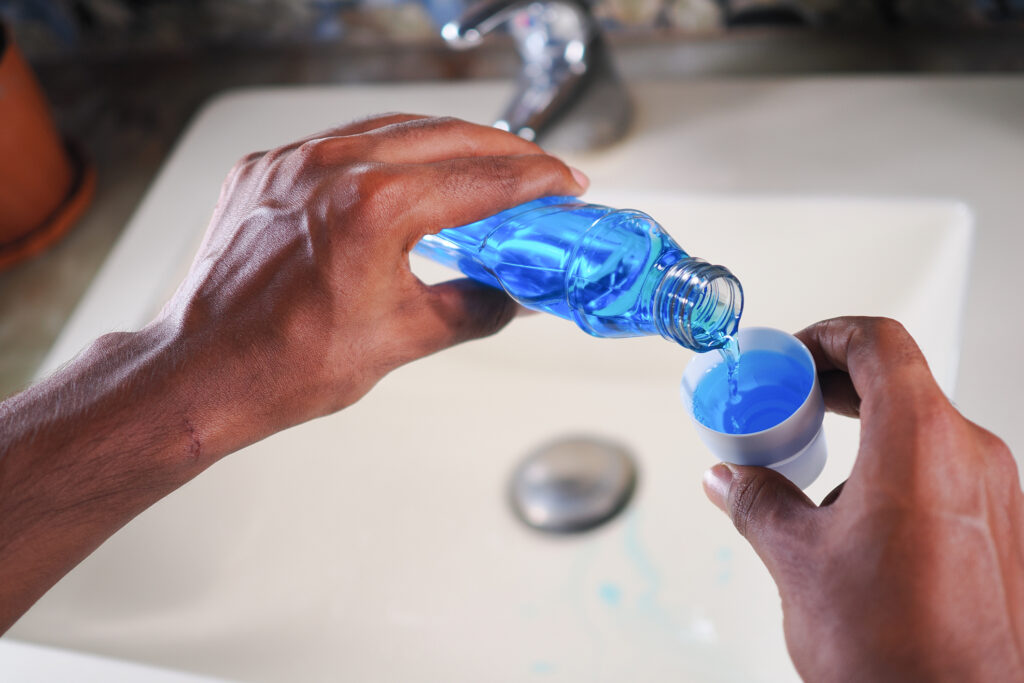
Antiseptic and Medicated Mouth Rinses
Depending on your symptoms, a pharmacist or healthcare provider may recommend an oral rinse. Some rinses can help keep the mouth clean, while prescription rinses may be used for more significant or recurrent ulcers.
Avoid assuming that stronger is better. Mouthwashes containing alcohol can sting and may further irritate an existing ulcer.
Oral Pain Relievers
If topical products are not providing enough relief, an oral pain reliever such as acetaminophen or ibuprofen may be appropriate for some people.
Always follow label directions and check with a pharmacist or healthcare provider if you take other medications or have health conditions that could make a pain reliever unsuitable.
For example, ibuprofen may not be appropriate for everyone, including some people with kidney problems, stomach ulcers, certain cardiovascular conditions, or those taking particular medications.
Home Remedies
Did you know some everyday pantry items may help alleviate discomfort? A saltwater rinse for canker sores is one of the simplest home remedies. Try dissolving about half a teaspoon of salt in a cup of warm water. Gently swish the solution around your mouth and spit it out rather than swallowing it.
Another option is a baking soda rinse made with approximately one teaspoon of baking soda dissolved in half a cup of warm water.
These rinses can be used several times throughout the day if comfortable. They will not instantly cure the ulcer, but they can help keep the area clean and may soothe some people.
Everyday Tips to Help Canker Sores Heal Faster
Along with your chosen canker sore treatment, reducing irritation can make the healing period much more manageable.
Choose Soft, Non-Irritating Foods
When chewing hurts, choose foods that require less effort and are less likely to scrape the ulcer. Yogurt, oatmeal, scrambled eggs, smoothies, soups that are not too hot, and other soft foods may be easier to tolerate.
Avoid Common Irritants
Until the ulcer heals, consider limiting foods and products that make the pain worse.
Common irritants can include:
- Citrus and other acidic foods
- Spicy foods
- Hard, sharp, or crunchy foods
- Very hot foods and drinks
- Alcohol-containing mouthwash
- Tobacco products
Pay attention to your own symptoms. If a particular food causes intense stinging, give the area time to heal before consuming or using.
Practice Gentle Oral Hygiene
Continue brushing and caring for your teeth, but be gentle around the ulcer. A soft-bristled toothbrush can reduce accidental trauma, or consider a baking soda/water rinse.
If you experience frequent canker sores, ask your pharmacist or dental professional whether switching to a milder toothpaste or another oral care product might be worth trying.
Importance of Hydration
Painful ulcers can make drinking uncomfortable, but adequate hydration remains important. Sip water regularly throughout the day. Cool water may feel more comfortable than very hot or acidic beverages.
How Your Pharmacist Can Help
The pharmacy can be a useful first stop when you are unsure which canker sore remedies to choose.
Your pharmacist can help compare protective pastes, oral anesthetics, rinses, and other over-the-counter options. They can also explain how to apply products correctly and identify treatments that may not be appropriate based on your age, health conditions, allergies, or medications.
Identifying Possible Underlying Causes
If sores keep coming back, your pharmacist can review medications and discuss possible contributing factors. They can also help determine whether nutritional concerns or recurring symptoms should be evaluated by a physician, dentist, or other healthcare provider.
Helping Prevent Future Canker Sores
Your pharmacist may also suggest practical strategies for reducing irritation, choosing oral care products, managing known triggers, and deciding when professional evaluation is warranted.
When You Should See a Healthcare Provider
Most minor canker sores resolve without medical treatment, but some symptoms deserve closer attention.
Speak with a healthcare provider or dentist if:
- A sore lasts longer than about two weeks
- The ulcer is unusually large or severely painful
- Sores occur very frequently
- You have difficulty eating or drinking
- You develop a fever or other signs of illness or infection
- Ulcers are spreading or becoming progressively worse
- A sharp tooth, dental appliance, or other ongoing problem is repeatedly damaging the area
Persistent mouth sores can have causes other than canker sores, so an ulcer that does not heal should be properly assessed.
Prescription Treatment Options
For severe or recurring ulcers, a healthcare provider may prescribe treatment. Options can include topical corticosteroids or medicated mouth rinses designed to reduce inflammation and symptoms.
The appropriate treatment depends on the ulcer’s severity, frequency, and possible underlying cause. Avoid using someone else’s prescription medication on a mouth sore.
Can Canker Sores Be Prevented?
It is not always possible to prevent canker sores completely, but understanding your triggers may reduce how often they occur.
Identify Personal Triggers
Consider keeping a diary of outbreaks. Record foods, stressful events, oral injuries, and other factors that occurred around the time a sore appeared.
If stress seems to be a trigger, regular sleep, exercise, relaxation techniques, and other stress-management habits may be useful.
Maintain Good Oral Health
Brush gently, floss regularly, and attend routine dental appointments. If braces, dentures, or a sharp tooth are repeatedly rubbing against the inside of your mouth, talk with your dentist or orthodontic provider about ways to reduce the irritation.
Support Overall Health
Eating a varied, balanced diet can help support adequate intake of iron, folate, vitamin B12, zinc, and other nutrients.
If you suspect a deficiency, discuss it with a healthcare provider rather than taking high-dose supplements without guidance.
Frequently Asked Questions
What is the fastest way to heal a canker sore?
There is no guaranteed way to eliminate a canker sore overnight. Most minor sores heal naturally within one to two weeks. Protective oral pastes, topical anesthetics, gentle rinses, and avoiding irritating foods can reduce discomfort while healing occurs. A healthcare provider may prescribe stronger treatment for severe or recurrent ulcers.
What products can I buy at the pharmacy for canker sores?
Depending on where you live, pharmacy canker sore options may include protective oral gels or pastes, oral anesthetic products such as benzocaine gel, and certain mouth rinses. An Orajel canker sore product may be one option, depending on the specific formulation available. Ask your pharmacist to help you select a product appropriate for your symptoms and age.
Are canker sores contagious?
No. Canker sores are not contagious and cannot be passed from person to person. This is an important difference between canker sores and cold sores, which are caused by herpes simplex virus and are contagious.
How long do canker sores usually last?
Minor canker sores typically heal within approximately one to two weeks. If a mouth ulcer has not healed after about two weeks, is getting worse, or repeatedly returns, have it evaluated by a healthcare professional or dentist.
When should I see a doctor about a canker sore?
Seek medical advice for an unusually large or painful ulcer, frequent outbreaks, sores that persist beyond two weeks, difficulty eating or drinking, or symptoms such as fever. A persistent mouth lesion should also be assessed to confirm that it really is a canker sore and rule out other causes.
Canker Sores Conclusion
Canker sores may be small, but the discomfort they cause can interfere with eating, drinking, brushing, and everyday life. Most minor ulcers heal naturally within one to two weeks, while appropriate canker sore treatment can make that process considerably more comfortable. Protective pastes, topical anesthetics, a saltwater rinse for canker sores, gentle oral care, and avoiding irritating foods are among the most common approaches to canker sore relief.
If you are unsure which mouth ulcer treatment is appropriate, speak with your pharmacist. They can help you compare over-the-counter options, check whether a product is safe alongside your medications and health conditions, and advise you when symptoms require further assessment.
For sores that are unusually painful, frequently recurring, or still present after two weeks, speak with your local RxHealthMed pharmacist, or contact your dentist or healthcare provider for an evaluation and personalized treatment advice.