

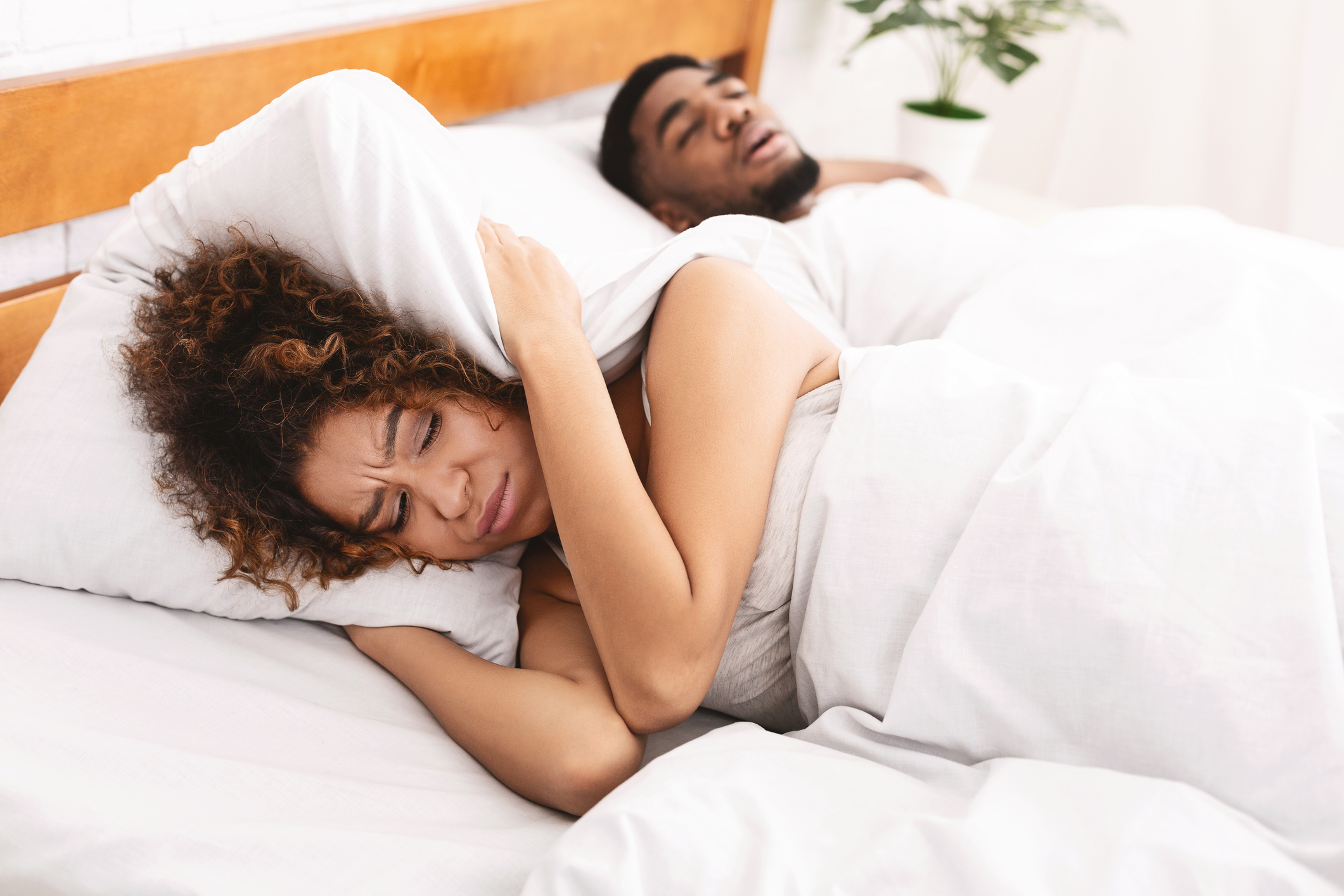
It can sometimes start as “just snoring.” Maybe your partner has been gently nudging you to roll over. And despite spending eight hours in bed, every morning you wake up exhausted.
The instinct may be to blame stress, long workdays, and the inevitability of getting older. But when tiredness becomes a serious concern, sleep apnea may be the cause.
Sleep apnea is a common, yet often overlooked, medical condition that can quietly affect your heart, brain, and overall health. The symptoms, diagnosis, and treatment are topics that deserve serious attention.
Far more than a sleep inconvenience, sleep apnea is a chronic condition that causes repeated pauses in breathing during sleep. Left untreated, it increases the risk of high blood pressure, heart disease, diabetes, and accidents caused by fatigue. The good news? With early recognition and proper treatment, sleep apnea can be effectively managed, and you can look forward to improved energy, focus, and long-term health.
This guide for sleep apnea treatment, options and solutions in Canada will walk you through what sleep apnea really is, who is at risk, how it’s diagnosed, and the evidence-based treatments that can help you breathe better.
What Is Sleep Apnea?
Sleep apnea is a serious sleep-related breathing disorder in which breathing repeatedly stops and starts throughout the night. These pauses can last from a few seconds to over a minute and may occur dozens or even hundreds of times per night.
Each pause disrupts normal oxygen flow to the brain and body, often causing brief awakenings that fragment sleep.
Three Main Types of Sleep Apnea
There are three main types of sleep apnea, and understanding the difference between them is essential for recognizing symptoms and determining appropriate treatment.
- Obstructive Sleep Apnea (OSA): The most common type. It occurs when throat muscles relax and block the airway during sleep.
- Central Sleep Apnea (CSA): A less common form where the brain fails to send proper signals to the muscles that control breathing.
- Complex Sleep Apnea (Treatment-emergent Central Sleep Apnea): A combination of obstructive and central sleep apnea, often identified during treatment for OSA. It is a unique sleep-disordered breathing.
Sleep apnea is not simply loud snoring. It is a chronic medical condition associated with serious complications including cardiovascular disease and metabolic disorders. Recognizing it early can prevent long-term damage and improve quality of life. 
Is Anyone at Risk of Sleep Apnea?
Yes. Sleep apnea can affect adults of all ages, including younger adults and even children. While it becomes more common with age, it is not limited to older individuals.
Several factors increase risk:
- Excess weight or obesity
- Narrow airway or enlarged tonsils
- Family history of sleep apnea
- Smoking
- Alcohol use, especially before bedtime
- Nasal congestion
- Certain facial or jaw structures
Obesity is one of the strongest risk factors. Excess fatty tissue around the neck can narrow the airway, increasing the likelihood of collapse during sleep.
Importantly, many people with sleep apnea are undiagnosed. Because symptoms occur during sleep, individuals may not recognize the severity of the problem unless a partner notices breathing pauses.
Are Some Women More at Risk for Sleep Apnea?
Historically, sleep apnea has been underdiagnosed in women. Hormonal factors play an important role. Pregnancy and menopause are associated with increased risk due to hormonal shifts that affect airway muscle tone. 
Women may experience symptoms differently than men. Instead of classic loud snoring and gasping, women are more likely to report:
- Insomnia
- Fatigue
- Morning headaches
- Mood changes or anxiety
If you are a woman experiencing unexplained fatigue or sleep disruption, sleep apnea should not be overlooked.
Sleep Apnea Triggers
Sleep apnea symptoms can vary in intensity and may worsen with certain lifestyle factors, underlying health conditions, or environmental influences that increase airway obstruction or disrupt normal breathing patterns during sleep. According to MyHealth Alberta, factors that may increase the risk or make it worse are:
- Family history
- Aging
- Being male
- Menopause
- Extra weight: body mass index (BMI) is 30 or higher
- History of hypertension, stroke or heart failure
- Neck circumference
- Bone deformities in the nose, mouth, or throat
- Enlarged tissues in the nose, mouth, or throat
- Alcohol or medicines
- Sleeping on your back
- Smoking
- Hormonal disorders
Sleep Apnea Symptoms
At first, sleep apnea symptoms may be subtle, but can worsen over time. Recognizing warning signs early is an important step toward proper diagnosis and improving quality of life.
Loud, Chronic Snoring
Snoring is often the first noticeable sign. While not everyone who snores has sleep apnea, loud, persistent snoring combined with breathing pauses is a red flag.
Gasping or Choking During Sleep
Witnessed episodes of choking or gasping are classic signs of airway obstruction. These events may be followed by brief awakenings, even if you don’t remember them.
Excessive Daytime Sleepiness
Repeated nighttime awakenings prevent restorative sleep. This leads to profound fatigue, difficulty staying awake, and increased accident risk.
Morning Headaches
Low oxygen levels during the night can trigger morning headaches due to blood vessel changes in the brain.
Difficulty Concentrating or Brain Fog
Cognitive impairment is common. Poor oxygenation and fragmented sleep affect memory, attention, and executive function.
Mood Changes, Anxiety, or Irritability
Chronic sleep deprivation affects emotional regulation. Untreated sleep apnea has been linked to depression and anxiety.
Poor Sleep Quality Despite Long Sleep Hours
Sleeping longer does not compensate for disrupted breathing. If you wake up unrefreshed despite adequate sleep time, evaluation is recommended.
Root Causes of Sleep Apnea
Airway Obstruction and Anatomy
Certain anatomical features such as a narrow airway, enlarged tonsils, thick neck circumference, or recessed jaw can predispose individuals to airway collapse. Structural factors often interact with muscle relaxation during sleep.
Excess Weight and Obesity
Excess adipose tissue around the neck and airway contributes to obstruction. Even modest weight gain can worsen symptoms.
Underlying Medical Conditions
Sleep apnea frequently coexists with:
- High blood pressure
- Type 2 diabetes
- Thyroid disorders
- Heart failure
These conditions share overlapping risk factors such as obesity and inflammation. Genetics and lifestyle both influence risk. A family history of sleep apnea increases susceptibility, while sedentary lifestyle and smoking further contribute.
Complications of Sleep Apnea
According to Vancouver Coastal Health Research Institute, 25 percent of British Columbians are affected by OSA, and approximately 5 percent of those cases are moderate to severe. As well, untreated sleep apnea can lead to serious health consequences. “Current treatments are effective; however, many individuals stop using them due to discomfort, placing them at greater risk of the negative health effects of untreated OSA.” The institute explains researchers are developing an effective, affordable and more comfortable treatment to prevent upper airway obstruction during sleep.
Complications include:
Cardiovascular disease: Repeated oxygen deprivation activates stress hormones, raising blood pressure and increasing risk of heart attack and stroke.
Type 2 diabetes: Sleep fragmentation affects insulin sensitivity.
Mental health impacts: Depression and anxiety are more common in individuals with untreated sleep apnea.
Increased accident risk: Excessive daytime sleepiness increases the risk of motor vehicle and workplace accidents.
Reduced quality of life: Sleep apnea is a systemic condition, not just a nighttime issue. Chronic fatigue affects relationships, productivity, and overall well-being.
Sleep Apnea Diagnosis
Diagnosis typically involves a sleep study, also known as polysomnography. According to HealthLink BC, “A sleep study is the only sure way to find out if you have sleep apnea. If you have symptoms of sleep apnea, including being very tired and sleepy during the day, your doctor will probably suggest a polysomnography sleep study.”
Two main types exist:
- In-lab sleep study: Conducted overnight in a sleep clinic, monitoring brain waves, oxygen levels, breathing patterns, and heart rate.
- At-home sleep apnea test: Portable monitoring devices assess breathing and oxygen levels.
The Apnea-Hypopnea Index (AHI) measures severity. Early detection is critical to preventing complications.
Pharmacists can play an important role by identifying red flags such as chronic snoring, fatigue, or high blood pressure, and encouraging patients to seek medical evaluation. As accessible healthcare professionals, pharmacists can help guide patients toward appropriate testing.
How Is Sleep Apnea Treated?
There are a variety of treatment options in Canada recommended for sleep apnea. Treatment depends on severity, anatomy, and patient preference. 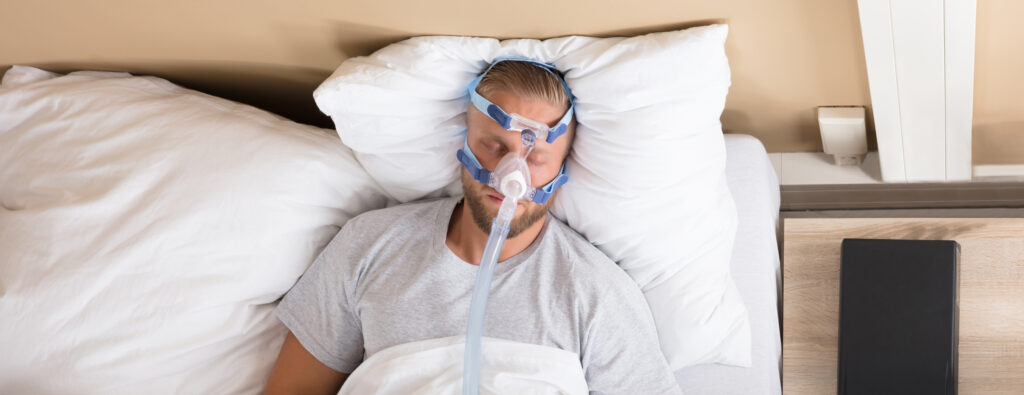
CPAP Therapy (Continuous Positive Airway Pressure)
According to the Canadian Lung Association, often, the best treatment for obstructive sleep apnea is continuous positive airway pressure (CPAP). “The CPAP machine blows a steady stream of air through the mask, into your nose and down your throat (airway). The stream of air creates pressure, which holds the tissue in your airway open This stops your airway from collapsing. Your airway stays open all night, so you can breathe properly all night.”
Benefits include:
- Improved sleep quality
- Reduced daytime fatigue
- Lower blood pressure
Oral Appliances and Dental Devices
Custom devices reposition the jaw or tongue to maintain airway openness. These are suitable for mild to moderate OSA or CPAP intolerance. They are portable and convenient for travel.
Lifestyle Changes and Weight Management
Weight loss can substantially reduce symptoms.
Additional supportive changes include:
- Limiting alcohol
- Quitting smoking
- Regular exercise
- Consistent sleep routine
Positional Therapy
Some individuals experience worse apnea while sleeping on their back. Side-sleeping devices or specialized pillows can reduce airway collapse.
Surgical Treatment Options
In selected cases, surgery may be recommended. Treatment plans are individualized in consultation with sleep specialists.
Sleep Apnea Medications and Home Remedies
Currently, no medication cures obstructive sleep apnea. Some medications may address related symptoms such as nasal congestion or daytime sleepiness, but they do not correct airway collapse.
Central Sleep Apnea can be treated with Acetazolamide for those who do not tolerate or benefit from positive airway pressure therapy or supplemental oxygen during sleep. However this medication has harmful side effects and should be monitored closely.
Sunosi (solriamfetol) and Modafinil are wake-promoting agents, though are only recommended for residual daytime sleepiness (EDS) after the airway obstruction is adequately treated. This does not replace treating the Sleep Apnea.
Home Remedies
Supportive measures include:
- Improving sleep hygiene
- Avoiding alcohol before bed
- Maintaining a healthy weight
- Elevating the head during sleep
Medications Not to Take with Sleep Apnea
Certain medications should not be taken by sleep apnea sufferers as they can worsen symptoms:
- CNS depressants (e.g., benzodiazepines, opioids)
- Medications that cause weight gain
- Sedating antihistamines
*Always speak with your pharmacist, physician or healthcare provider before stopping or adjusting any medication.
Sleep Apnea Prevention
While not all cases are preventable, early screening in high-risk individuals can prevent complications.
Risk can be reduced through:
- Maintaining healthy body weight
- Regular physical activity
- Managing chronic conditions
- Avoiding tobacco
- Regular healthcare check-ups
When Should You Call Your Healthcare Provider?
Seek medical advice if you experience:
- Persistent loud snoring
- Witnessed breathing pauses
- Daytime fatigue affecting daily life
- High blood pressure resistant to treatment
- Morning headaches
Your pharmacist can serve as an accessible first step in identifying symptoms and guiding you toward further assessment.
People Also Ask
What is the most effective sleep apnea treatment?
For moderate to severe obstructive sleep apnea, CPAP therapy is considered the most effective treatment.
Can sleep apnea go away on its own?
In some mild cases, particularly with weight loss, symptoms may improve. However, untreated moderate or severe sleep apnea rarely resolves without intervention.
Is sleep apnea dangerous if left untreated?
Yes. Untreated sleep apnea increases risk of cardiovascular disease, diabetes, accidents, and reduced lifespan.
Can a pharmacist help with sleep apnea?
Absolutely. Pharmacists can identify red flags, review medications that may worsen symptoms, provide education, and guide next steps.
Does insurance cover sleep apnea treatment in Canada?
Coverage varies by province and insurance plan. Many private plans and some provincial programs cover CPAP devices with proper documentation. Speak with your provider or pharmacist for guidance.
What Matters Most About Sleep Apnea
Sleep apnea is a serious but highly treatable medical condition that affects breathing, heart health, energy levels, and overall well-being. It is far more than snoring. It is a chronic disorder that deserves timely diagnosis and evidence-based treatment.
Effective options such as CPAP therapy, oral appliances, weight management, and positional therapy can dramatically improve symptoms and reduce long-term health risks. Early action makes a meaningful difference.
As pharmacists, we are here to support you. Whether that means reviewing medications, identifying warning signs, or guiding you toward appropriate testing and treatment. If you or a loved one may be experiencing symptoms of sleep apnea, speak with your local RxHealthMed pharmacist today.
At RxHealthMed, we are committed to helping Canadians live healthier, more energized lives. Better sleep starts with better awareness, and you don’t have to navigate it alone.