

High blood pressure, or hypertension, is a pervasive health issue often progressing without clear warning signs, making early detection and intervention critical. This guide delves into understanding the symptoms, diagnosis, and treatment of this common condition, which, if left unmanaged, dramatically increases the risk of heart attack, stroke, and kidney disease.
Your vigilance today can be the difference between a lifetime of health and serious cardiovascular complications.
What Is High Blood Pressure?
High blood pressure (hypertension) is a common condition in which the force of blood pushing against the walls of your arteries is consistently too high. Arteries are the blood vessels that carry oxygenated blood from your heart to the rest of your body. When the pressure inside these vessels remains elevated over a long period, it can cause significant damage. According to the Heart and Stroke Foundation, “High blood pressure is the number one risk factor for stroke and a major risk factor for heart disease.”
The measurement of blood pressure is expressed as two numbers: systolic pressure (the top number) measures the pressure in your arteries when your heart beats, and diastolic pressure (the bottom number) measures the pressure when your heart rests between beats. A normal reading is typically considered below 120/80 mmHg (millimeters of mercury).
Over time, uncontrolled high blood pressure can damage the delicate lining of blood vessels, making them less elastic and narrowing them. This restricts blood flow, forcing the heart to work harder, which can lead to hypertrophy (thickening of the heart muscle). Ultimately, this chronic strain increases the risk of heart disease, heart attack, stroke, kidney disease, vision problems, and other serious health problems. Managing blood pressure is a cornerstone of cardiovascular health.
Who Is At Risk for High Blood Pressure?
Understanding who is susceptible to high blood pressure is the first step toward prevention and early management. The simple answer is that virtually anyone can be affected, although some groups face a significantly higher risk.
High blood pressure can affect people of all ages. While it is certainly more common in older adults, younger people and even children can develop high blood pressure. Also called hypertension, it’s present in six to eight percent of children, and becoming increasingly common.
In younger demographics, this condition is often linked to increasing rates of obesity, poor dietary choices, physical inactivity, genetics, or underlying medical conditions such as kidney issues or hormonal imbalances. The perception that hypertension is only an “old person’s disease” is a dangerous misconception.
Are Some More at Risk Than Others?
According to the Canadian Medical Association Journal, hypertension affects 30 to 45% of the adult population, and is growing in prevalence. Certain factors can potentially increase the risk of developing hypertension:
- Family history: A genetic predisposition plays a significant role. If your parents or close relatives have high blood pressure, your own risk is heightened.
- Obesity: Excess body weight increases the volume of blood circulating, which requires the heart to pump harder, thus increasing pressure on the artery walls.
- High salt intake: A diet high in sodium causes the body to retain fluid, which increases blood volume and, consequently, blood pressure.
- Lack of physical activity: A sedentary lifestyle contributes to weight gain and overall poor cardiovascular conditioning. Regular exercise strengthens the heart and helps regulate blood pressure.
- Smoking: Nicotine and other chemicals in tobacco immediately raise blood pressure and damage the artery linings, leading to plaque buildup (atherosclerosis).
- Excessive alcohol consumption: Drinking too much alcohol can significantly raise blood pressure and reduce the effectiveness of blood pressure medications.
- Chronic conditions: Individuals with conditions such as diabetes, kidney disease, or sleep apnea are at a much higher risk for developing high blood pressure.
7 Symptoms of High Blood Pressure
High blood pressure is often called the “silent killer” because many people experience no obvious symptoms, even when their blood pressure reaches dangerous levels. The only way to know if you have high blood pressure is to measure it.
However, when blood pressure becomes very high (a hypertensive crisis), some distinct warning signs may appear and should prompt immediate medical attention. It is crucial to recognize that these symptoms are not specific to hypertension and often only occur in severe, life-threatening situations.
The key warning signs associated with extremely high blood pressure include:
- Severe headaches: Often described as a pounding or throbbing sensation, particularly in the back of the head.
- Shortness of breath: Difficulty breathing or feeling winded even with light exertion.
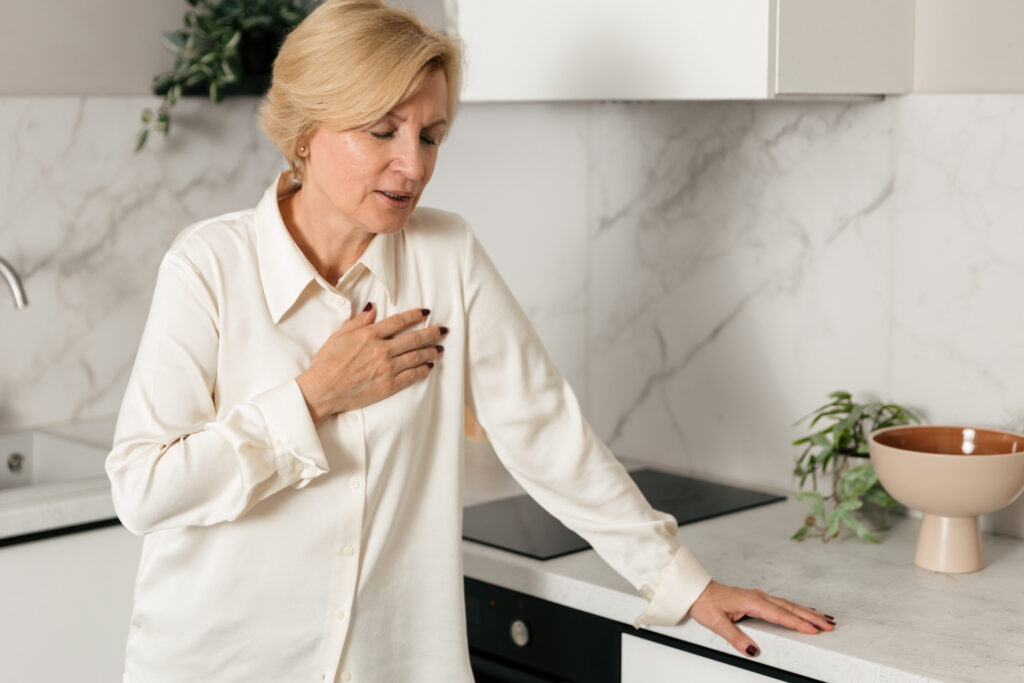
- Chest pain (Angina): A sign that the heart muscle is not receiving enough oxygen, potentially indicating severe cardiovascular strain.
- Dizziness: A feeling of lightheadedness or unsteadiness.
- Blurred vision or other vision changes: High pressure can damage the tiny blood vessels in the eyes (retinopathy).
- Fatigue or confusion: A general feeling of weariness or difficulty concentrating, often linked to reduced blood flow to the brain.
- Pounding in the chest, neck, or ears: A noticeable sensation of the heart working too hard.
*Do not wait for these severe symptoms to appear. Regular blood pressure screening is essential for early diagnosis.
Causes of High Blood Pressure
The causes of high blood pressure are often categorized as primary (essential) or secondary.
Many people develop primary (essential) high blood pressure without a single identifiable cause. This type usually develops gradually over many years and is often the result of a combination of genetic and lifestyle factors.
Secondary high blood pressure, conversely, is caused by an underlying medical condition or medication. This type often appears suddenly and typically results in higher blood pressure than primary hypertension.
However, several contributing factors can significantly increase the risk for either type.
Genetic Factors
A family history of high blood pressure can make individuals more likely to develop the condition. Researchers believe that certain genetic variations affect how the body regulates salt, fluid, and blood vessel tension.
Unhealthy Lifestyle Habits
Lifestyle choices are major determinants of blood pressure health:
- High sodium intake: Leads to fluid retention and increased blood volume.
- Poor diet: A diet low in potassium, magnesium, and fiber, and high in saturated and trans fats, negatively impacts cardiovascular health.
- Physical inactivity: Contributes to obesity and poor heart health.
- Smoking: Damages arteries and causes immediate blood pressure spikes.
- Excessive alcohol consumption: Can damage the heart and increase blood pressure.
Underlying Health Conditions
Conditions that can lead to secondary high blood pressure include:
- Kidney disease: The kidneys play a critical role in regulating blood pressure by controlling fluid and salt balance. Impaired kidney function can lead to hypertension.
- Hormonal disorders: Conditions like thyroid problems (hyper- or hypothyroidism), Cushing’s syndrome, and hyperaldosteronism can cause hormonal imbalances that affect blood pressure.
- Sleep apnea: This condition, where breathing repeatedly stops and starts during sleep, can cause spikes in blood pressure due to oxygen deprivation.
- Certain medications: Over-the-counter cold remedies, pain relievers (like NSAIDs), birth control pills, and some prescription drugs may lead to secondary high blood pressure.
Complications of High Blood Pressure
Sustained, uncontrolled high blood pressure is not merely a number; it is an issue that can slowly and silently devastate the body’s vascular system and major organs. The chronic strain can lead to life-altering and fatal complications:
- Heart disease and heart attacks: High blood pressure forces the heart to pump harder, causing the heart muscle to thicken (left ventricular hypertrophy). Over time, this makes the heart less efficient, leading to heart failure. It also accelerates the development of atherosclerosis (hardening of the arteries), which can block blood flow and cause a heart attack.
- Stroke: This occurs when blood flow to a part of the brain is blocked (ischemic stroke) or when a weakened blood vessel ruptures (hemorrhagic stroke). High blood pressure is the leading cause of both types.
- Kidney damage or kidney failure: The tiny blood vessels in the kidneys that filter waste are highly susceptible to damage from high blood pressure. This damage impairs the kidneys’ ability to function, which can lead to a dangerous buildup of waste and ultimately require dialysis or a kidney transplant.
- Vision problems: High blood pressure can damage the delicate blood vessels in the retina, leading to a condition called hypertensive retinopathy, which can cause bleeding in the eye, blurred vision, or even permanent blindness.
- Cognitive decline or memory issues: Uncontrolled hypertension restricts blood flow to the brain, contributing to vascular dementia and increasing the risk of memory problems and difficulty thinking clearly.
Diagnosing High Blood Pressure
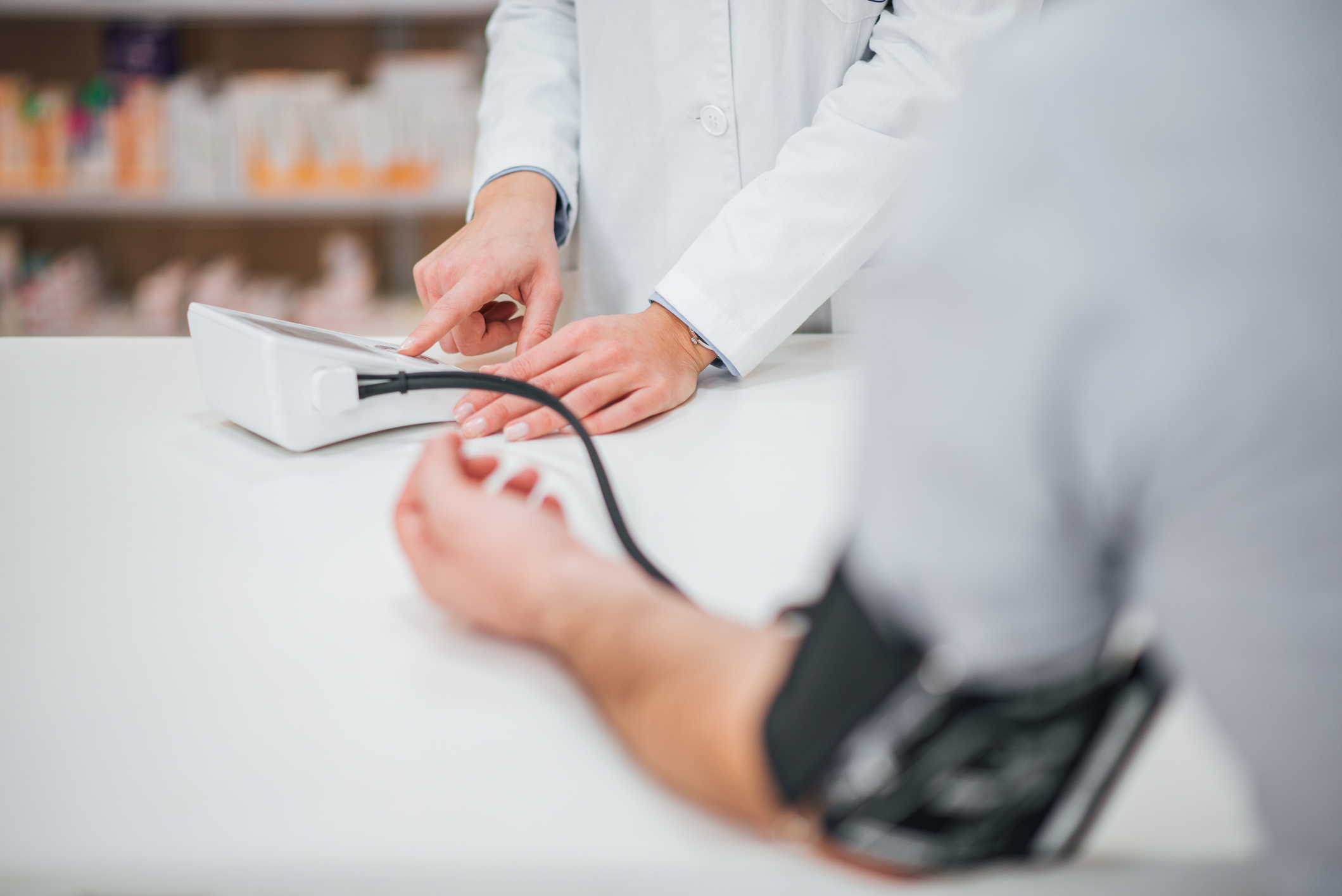
High blood pressure is diagnosed using a blood pressure reading measured with an inflatable cuff and monitor, typically applied to the arm. Since blood pressure can fluctuate based on stress, activity, and time of day, healthcare providers may take several readings over time to confirm the diagnosis. They may also ask you to monitor your blood pressure at home. In some cases, readings taken in a medical setting may be higher than usual due to a phenomenon called “white coat syndrome,” a temporary increase in blood pressure caused by anxiety during a doctor’s visit.
Additional Tests Doctors May Perform
Once a diagnosis is confirmed, doctors may perform additional tests to look for causes of secondary hypertension or to determine whether high blood pressure has caused organ damage:
- Blood tests: To check cholesterol levels, blood glucose (for diabetes), and kidney function (creatinine and BUN levels).
- Urine tests: To check for kidney problems.
- Heart tests: An electrocardiogram (ECG) can detect an enlarged left ventricle or heart rhythm abnormalities. An echocardiogram may also be used to visualize the heart’s structure and function.
Treating High Blood Pressure
The good news is that high blood pressure is manageable. Treatment typically involves a comprehensive strategy combining essential lifestyle modifications and, often, prescription medications. 
Lifestyle Changes
These changes are foundational for any treatment plan and can significantly lower blood pressure, sometimes eliminating the need for medication in mild cases:
- Improving diet: Adopting a diet rich in fruits, vegetables, whole grains, and lean proteins, such as the DASH (Dietary Approaches to Stop Hypertension) diet.
- Reducing sodium intake: Limiting sodium to less than 1,500 milligrams per day (or the amount recommended by your doctor).
- Maintaining a healthy weight: Losing even a small amount of weight (5 to 10 pounds) can make a significant difference.
- Exercising regularly: Aim for at least 150 minutes of moderate-intensity aerobic activity per week.
- Practice stress reduction techniques: Try yoga, meditation, or spending time in nature.
- Maintain a healthy body weight: BMI in the healthy range (18.5 to 24.9) significantly reduces risk.
Blood Pressure Medications
If lifestyle changes alone are insufficient, doctors may prescribe blood pressure medications to help control high blood pressure.
These medications work in various ways:
- First-line combination medication: According to Hypertension Canada, studies show that irbesartan – hydrochlorothiazide lowers blood pressure more effectively than either agent alone and can rapidly improve control when used as first-line treatment in moderate-to-severe cases.
- ACE inhibitors (Angiotensin-Converting Enzyme Inhibitors): Helps relax blood vessels by blocking the formation of a natural chemical that narrows arteries. A common medication is ramipril.
- Beta blockers: At one time these were considered “front-line” medication for high blood pressure, but beta blockers such as atenolol are now often prescribed for heart rate control for specific patient types.
- Alpha blockers: These are used to treat mild to moderate high blood pressure. An alpha blocker such as doxazosin may be used alone or in combination with other medications that treat high blood pressure. It works to control blood pressure by relaxing blood vessels.
- Angiotensin II receptor blockers: Used to lower high blood pressure in adults and children over 6 years of age, and to treat heart failure in adults. A common medication is candesartan.
- Calcium channel blockers (CCB): The medication amlodipine relaxes the muscles of the blood vessels, causing them to widen.
- Diuretics (water pills): Helps the body eliminate sodium and water, which reduces blood volume. A common medication is hydrochlorothiazide.
Stress Management Techniques
Chronic stress can elevate blood pressure. Incorporating stress-reducing practices is an important part of management:
- Meditation or mindfulness
-
- Breathing exercises or deep relaxation
- Counseling or cognitive behavioral therapy (CBT)
Regular Monitoring
Tracking blood pressure at home and attending regular medical checkups are vital steps to ensure treatment is effective and to make adjustments as necessary.
High Blood Pressure Prevention
Adopting healthy lifestyle habits plays a key role in prevention and keeping blood pressure within a normal range.
The following strategies offer practical ways to support long-term heart health and reduce the risk of developing hypertension:
- Maintain a healthy weight
- Follow a balanced, low-sodium diet
- Exercise regularly
- Limit alcohol consumption
- Avoid smoking
- Manage stress
- Get regular blood pressure screenings
When Should I Call My Healthcare Provider?
While regular checkups are standard, certain situations warrant immediate contact with your healthcare provider:
- If your blood pressure readings are consistently high: This means readings are above 140/90 mmHg on several occasions, or if you are in the Elevated or Stage 1 range and lifestyle changes are not effective.
- If you experience symptoms such as severe headaches, chest pain, or shortness of breath: These symptoms, especially when combined with high readings (over 180/120 mmHg), may indicate a hypertensive emergency and require immediate medical care.
- If your prescribed treatment is not controlling your high blood pressure: If readings remain high despite taking medication, the treatment plan may need adjustment.
- If you notice sudden changes in your blood pressure readings: A sudden spike or drop can be a sign of an underlying issue or medication problem.
People Also Ask
What are usually the first signs of high blood pressure?
The most common first “sign” of high blood pressure is none at all. It is typically asymptomatic. When symptoms do appear, they are usually indicators of a hypertensive crisis, such as severe headaches, dizziness, or blurred vision.
What causes high blood pressure?
Primary (essential) high blood pressure is caused by a combination of genetics and unhealthy lifestyle habits (high sodium, inactivity, obesity). Secondary high blood pressure is caused by an underlying condition like kidney disease, hormonal disorders, or certain medications.
Can high blood pressure be cured?
In most cases of primary hypertension, it cannot be cured, but it can be effectively controlled and managed through lifestyle changes and medication. Secondary hypertension may be cured if the underlying cause (like a correctable kidney issue or specific medication) is resolved.
What foods help lower high blood pressure?
Foods rich in potassium, magnesium, and calcium are beneficial. This includes leafy greens, bananas, sweet potatoes, whole grains, beans, and low-fat dairy. Adopting the DASH (Dietary Approaches to Stop Hypertension) diet is highly recommended.
Is high blood pressure dangerous?
Yes, extremely dangerous. High blood pressure is a leading preventable cause of heart attacks, strokes, and chronic kidney disease worldwide. The sustained force damages blood vessels and organs over time, drastically increasing mortality risk if left untreated.
Final Key Points About High Blood Pressure
High blood pressure is a widespread health condition that often develops without noticeable symptoms, earning its moniker as the “silent killer.”
If left untreated, it can lead to serious complications including heart attack, stroke, kidney failure, and cognitive decline. Understanding the risk factors (family history, obesity, poor diet, smoking), the symptoms, and the causes of high blood pressure is essential for early detection and proper management. Many cases can be controlled with lifestyle changes such as diet modification, regular exercise, and stress management, often combined with effective blood pressure medications.
Early action to diagnose and manage hypertension can significantly reduce the risk of complications, paving the way for a longer, healthier life. Speak with your RxHealthMed pharmacist today!