

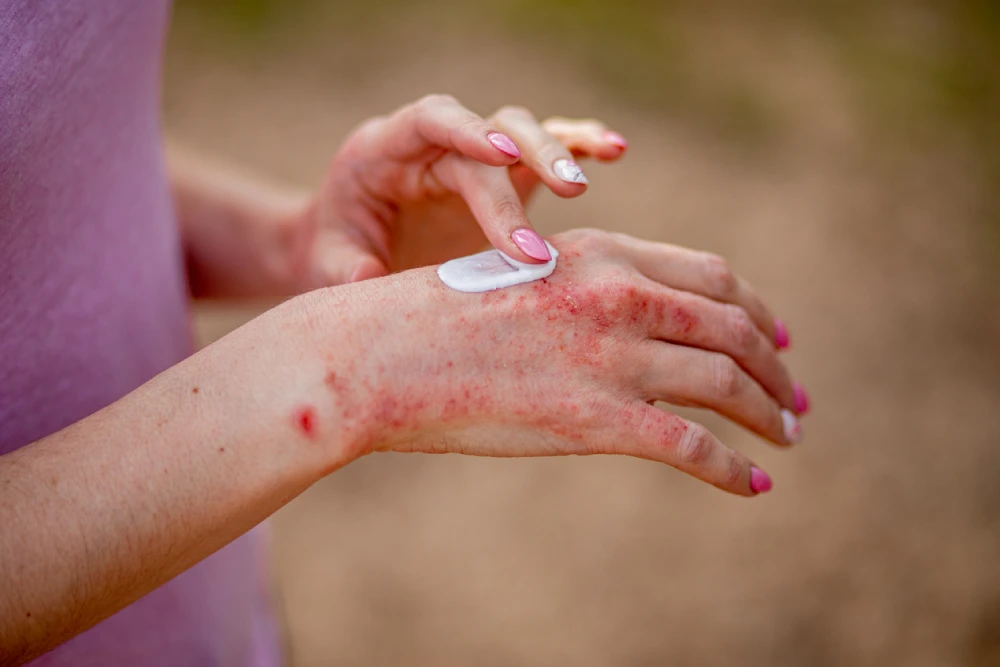
For millions of Canadians, the surge in cooler, drier weather comes with the concern of dry skin that goes beyond typical irritation. Those with eczema may face an increased rate of flare-ups, leaving their skin with itchy, red, and painful rashes that can have a significant impact on daily life.
While flare-ups can be unpleasant and at times unavoidable, eczema can be managed successfully with the right understanding, consistent care, and evidence-based treatment.
At RxHealthMed, we believe that with professional support and daily preventive habits, Canadians can reduce eczema rash flare-ups and keep their skin healthy and resilient year-round.
What Is Eczema: Understanding This Common Skin Condition
Eczema, also called atopic dermatitis, is a chronic inflammatory skin condition marked by dryness, redness, and persistent itching. It occurs when the skin’s barrier is weakened, allowing moisture to escape and irritants to enter. The result is sensitive, reactive skin prone to irritation and rash formation.
Eczema differs from other skin issues, such as psoriasis or allergic hives. While psoriasis involves overproduction of skin cells, eczema stems from barrier dysfunction and immune sensitivity, making it reactive to a wide range of triggers.
Eczema is common in both children and adults, with many people experiencing symptoms that change over time. Understanding your skin’s unique triggers and finding the right treatment plan are key to achieving lasting control.
Types of Eczema Rashes – Identifying Different Forms
Eczema can appear in several forms, each with its own appearance and causes. Recognizing the type helps guide proper treatment and prevention.
Atopic Dermatitis
This is the most widespread form of eczema. According to the Canadian Dermatology Association, an estimated 17% of Canadians will experience atopic dermatitis during their lifetime. It’s often linked to allergic conditions such as asthma or hay fever.
Atopic dermatitis tends to appear on the face, inside elbows, behind the knees, and on the hands. The rash is dry, red, and itchy, often worsening at night or after exposure to irritants like soap or fragrance.
Contact Dermatitis Rash – Reaction to Irritants
This type occurs when the skin reacts to substances like detergents, metals, or chemicals.
Allergic contact dermatitis results from immune sensitivity to a specific allergen, while irritant contact dermatitis comes from repeated exposure to a harsh substance.
Symptoms appear as red, burning, or blistered patches where the irritant made contact.
Dyshidrotic Eczema Blisters – Hand and Foot Eczema
Dyshidrotic eczema affects the palms, sides of the fingers, and soles of the feet, creating small, fluid-filled blisters that can be extremely itchy.
According to the Canadian Skin Patient Alliance, stress or warmer weather can further aggravate a flare-up.
Seborrheic Dermatitis
More commonly known as dandruff, this is a chronic condition that affects oily areas such as the scalp, face, and chest.
It appears as flaky, yellowish scales and mild redness that can vary in thickness. While not dangerous, it can be persistent and worsen during cold weather.
Nummular Eczema
This form creates round, coin-shaped patches of inflamed, itchy skin, and typically affects older adults. The lesions can ooze or crust and are often mistaken for fungal infections.
Consistent moisturizing and avoiding irritants usually improve symptoms.
Atopic Dermatitis Symptoms – Recognizing the Signs
Recognizing eczema symptoms early helps you take control before flare-ups worsen. Because eczema affects everyone differently, symptoms can range from mild dryness to severe, inflamed patches that disrupt sleep and comfort.
Understanding the key signs of eczema can help you decide when to seek professional guidance and how to better manage your daily skincare routine.
Common signs and symptoms of eczema include:
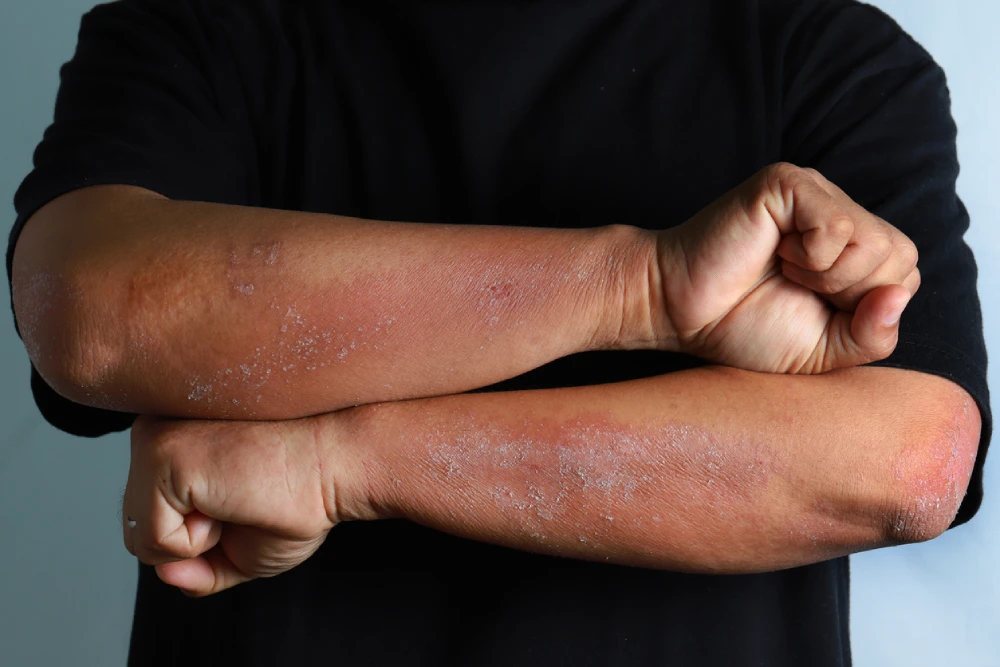
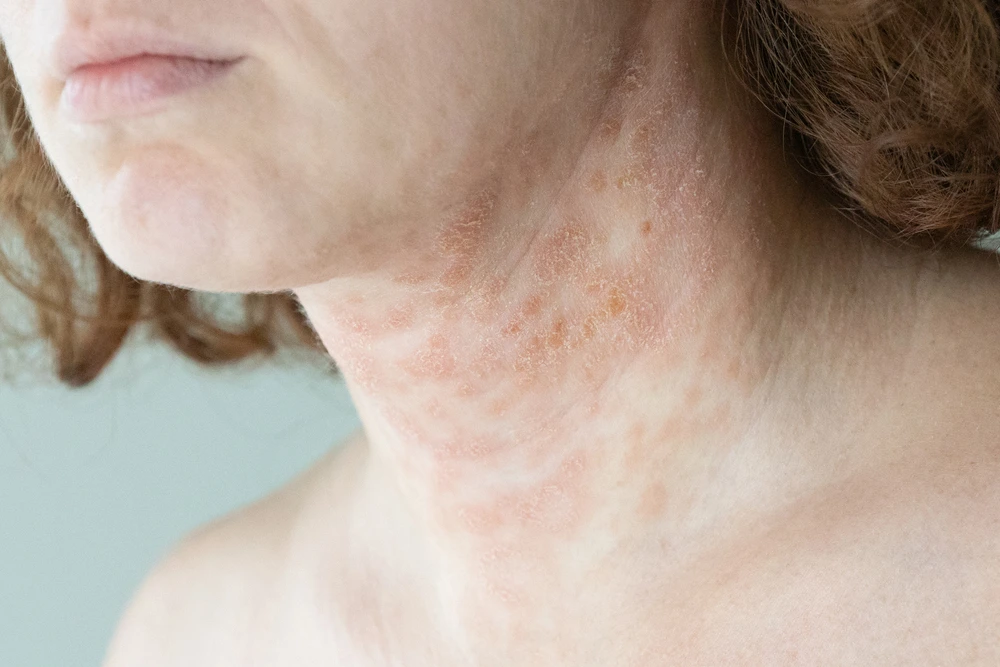
- Visual changes: Dry, red, or scaly patches of skin that may thicken over time. On darker skin tones, the rash may appear brown, gray, or purple rather than red.
- Intense itching: Persistent itchiness that develops into a rash.
- Inflammation and irritation: The affected areas may feel warm, sore, or swollen. Repeated scratching can cause small cracks or bleeding.
- Crusting or oozing: In more severe cases, fluid may leak from irritated patches, forming crusts or scabs that increase infection risk.
- Thickened skin: Chronic scratching or rubbing can cause the skin to become rough, thick, and leathery.
- Dryness and sensitivity: Even areas without visible rash may feel tight, rough, or prone to itching when exposed to irritants such as soaps or detergents.
How Age Affects Eczema
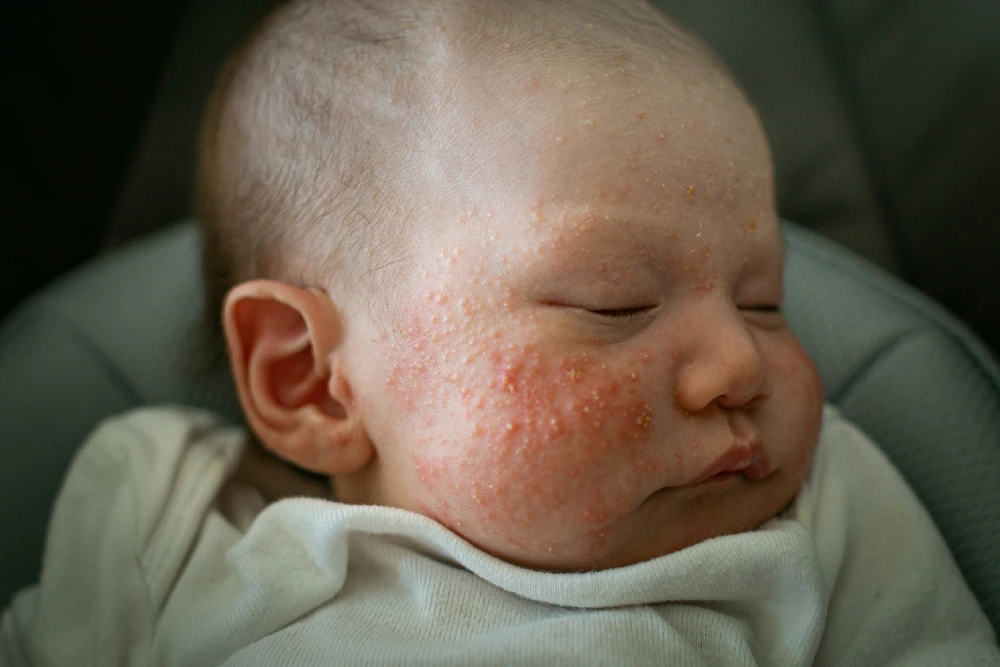
Eczema symptoms often evolve with age.
Infants typically develop oozing red rashes on the cheeks and scalp.
As children grow, the condition may shift to the inner elbows, knees, and wrists, where constant bending irritates the skin.
Adults tend to experience thicker, drier plaques on the hands, eyelids, and neck, with persistent itching.
Recognizing these changing patterns over time helps guide personalized care and treatment decisions.
Root Causes of Eczema
Eczema arises from a complex combination of genetic, immune, and environmental factors. Understanding the underlying causes helps guide both treatment and prevention.
Genetic Factors and Family History
Eczema commonly runs in families, especially those with a history of allergies, hay fever, or asthma.
Mutations in the filaggrin gene, responsible for maintaining the skin barrier, make it easier for irritants and allergens to penetrate, leading to dryness and inflammation.
Immune System Dysfunction
An overactive immune response plays a central role in eczema flare-ups. When exposed to irritants, the immune system releases inflammatory chemicals that cause redness, swelling, and itching, even when there’s no true infection or threat present.
Skin Barrier Problems
A healthy skin barrier keeps moisture in and irritants out. For those with eczema, this barrier is weakened, leading to increased water loss, dryness, and heightened sensitivity. Over time, repeated inflammation further damages the barrier, creating a cycle of flare-ups.
Environmental and Lifestyle Factors
Environmental elements like cold, dry air, indoor heating, and harsh soaps are known triggers. Urban pollution, chlorinated pools, and low humidity can further compromise skin balance. Even frequent handwashing without proper moisturizing can contribute to flare-ups.
Together, these factors interact differently in each person, which is why eczema management requires personalized care under the guidance of a healthcare professional.
Eczema Flare-Up Triggers – What Causes Eczema to Worsen
Even with careful treatment, eczema can flare up when exposed to certain triggers. Identifying and recognizing these early helps prevent symptoms from worsening.
Some common eczema flare-up triggers include:
- Dry air and cold temperatures (especially during Canadian winters)
- Hot showers or baths that strip natural oils
- Fragranced soaps, detergents, and cosmetics
- Wool and synthetic fabrics that irritate the skin
- Stress and lack of sleep
- Sweating and overheating
- Dust mites, pet dander, and pollen
- Certain foods or drinks, such as dairy, eggs, or alcohol
- Seasonal changes, including humidity shifts and indoor heating
Identifying your personal triggers through observation or journaling can significantly reduce flare-ups and support long-term control.
Keep in mind that despite your best efforts to avoid your triggers, flare-ups may occur more frequently during seasonal transitions or times of stress. If you’re experiencing a seasonal flare-up, talk to your pharmacist about solutions to ease discomfort.
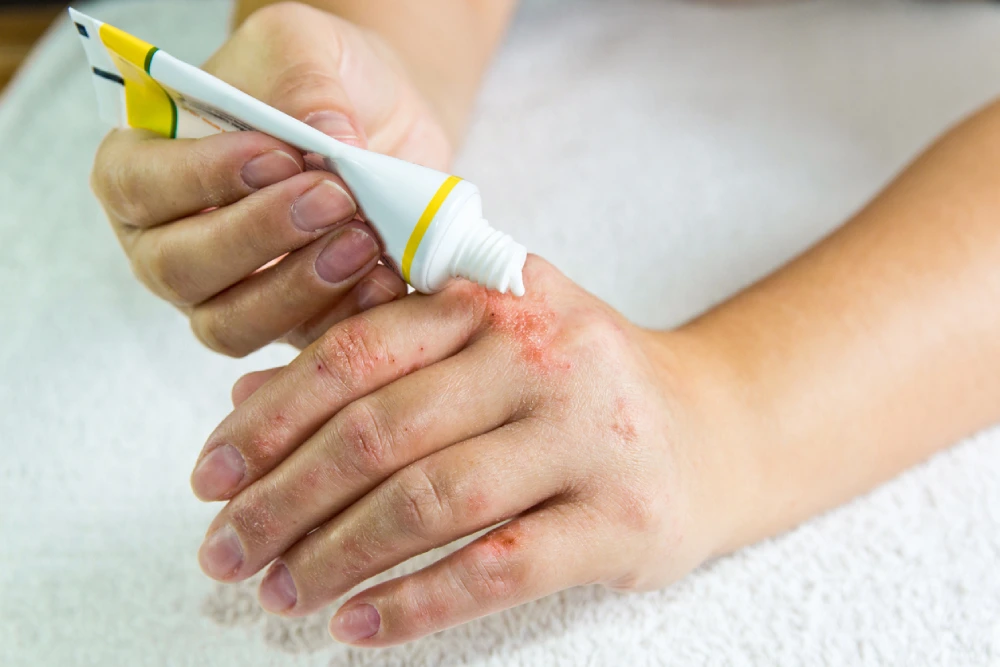
Eczema Rash Treatment Options
Treating eczema involves managing both the inflammation and the underlying dryness that cause flare-ups. A wide range of prescription and over-the-counter options are available to help you find relief and maintain healthy skin.
Topical and Prescription Treatments
Prescription creams remain the foundation of eczema management. Depending on severity, your provider may recommend:
- Low-potency corticosteroids like Hydrocortisone for mild flare-ups
- Medium-potency steroids like ratio-Ectosone (betamethasone valerate)
- High-potency options like Diprosone (betamethasone dipropionate) for severe inflammation
- Antibiotic/Corticosteroid combinations such as Fucidin H, when infection is present
If standard treatment isn’t successful, topical calcineurin inhibitors may also be prescribed, such as pimecrolimus cream and tacrolimus topical ointment.
Over-the-Counter Creams and Moisturizers
Daily moisturizing is essential to restore the skin barrier. Thick, fragrance-free creams and ointments should be applied at least twice daily, especially after bathing.
Affordable, high-quality Option+ solutions available at RxHealthMed pharmacies include:
- Option+ Hydrocortisone Cream: A gentle, effective solution to calm inflammation and reduce redness during flare-ups.
- Option+ Moisturizing Cream with Ceramides and Hyaluronic Acid: Deeply hydrates the skin and helps strengthen its protective barrier, locking in moisture and soothing dryness.
These products provide cost-effective alternatives that meet dermatologist-recommended standards for sensitive skin.
Systemic and Advanced Treatments
For moderate to severe eczema that doesn’t respond to topical care, dermatologists may prescribe oral corticosteroids, immune-modulating drugs, or biologic injections. These are reserved for more persistent cases and require medical supervision.
Complementary and Natural Options
While natural remedies like colloidal oatmeal baths or coconut oil can provide temporary relief, they should always be used in consultation with a healthcare professional to avoid potential reactions or interference with medications.
Managing Eczema Flare-Ups: Prevention and Daily Care
Effective eczema care goes beyond medication. A consistent, gentle daily routine can significantly reduce flare frequency and intensity. Here are some key steps and considerations to include in your routine:
- Moisturize frequently: Apply thick, fragrance-free moisturizers within three minutes of bathing.
- Use lukewarm water: Hot water strips oils, worsening dryness.
- Choose gentle cleansers: Avoid soaps with fragrance, alcohol, or dyes.
- Pat, don’t rub: Gently pat skin dry with a soft towel after washing.
- Protect your hands: Wear gloves when cleaning or washing dishes.
Some additional considerations to help ease flare-ups include:
- Identifying and Avoiding Triggers: Track patterns in your symptoms and note what precedes flare-ups. Small adjustments, like switching detergents, wearing softer fabrics, or using humidifiers, can make a noticeable difference.
- Clothing and Fabric Choices: Soft, breathable cotton fabrics are ideal. Avoid wool and synthetic materials that trap heat or cause friction. Wash clothing in fragrance-free detergent and rinse twice to remove residue.
- Home Environment Modifications: Maintain indoor humidity between 40–50% using a humidifier during winter months. Keep the thermostat moderate, and avoid sitting too close to heating sources like fireplaces or space heaters.
Furthermore, some lifestyle habits may also help manage your eczema long-term, such as:
- Managing stress with relaxation techniques or light exercise.
- Staying hydrated by drinking plenty of water.
- Prioritizing sleep, as lack of rest can worsen inflammation.
With these consistent steps, you may find that flare-ups become less frequent, shorter in duration, and easier to control.
When to See a Healthcare Provider
If your eczema persists despite consistent care, it’s important to seek professional help. Some signs that may indicate the need for a visit to your healthcare practitioner include:
- The rash becoming painful, weepy, or infected
- Skin thickening or cracks that don’t heal
- No improvement after two weeks of self-care
- Severe itching disrupting sleep or daily life
What to Expect During a Consultation
Your provider may perform a physical exam, review your skincare habits, and identify potential triggers. Treatment may include stronger topical medications or referral to a dermatologist for advanced therapies.
Emergency Symptoms
Seek immediate care if you develop fever, spreading redness, or severe swelling, which may indicate infection or an allergic reaction.
Common Eczema Questions
What Does Eczema Rash Look Like?
Eczema appears as red or gray, scaly, and inflamed patches that can ooze, crust, or thicken from scratching. It varies by skin tone and body area.
How Do You Treat Eczema Rash Naturally?
Natural care includes colloidal oatmeal baths or coconut oil to soothe irritation. These should be used alongside, not instead of, medical treatments.
What Triggers Eczema Flare-Ups?
Triggers include dry weather, soaps, allergens, stress, and fabrics that irritate the skin. Identifying them is key to prevention.
Is Eczema Contagious?
No. Eczema is not contagious; it’s an inflammatory skin condition caused by genetics and immune response, not infection.
Can Eczema Be Cured Permanently?
While there is no permanent cure, eczema can be effectively managed through consistent treatment, moisturization, and trigger avoidance.
What’s the Difference Between Eczema and Psoriasis?
Eczema causes itchy, red, dry skin, while psoriasis creates thicker, scaly plaques.
 Living With Eczema in Canada – Find Support at RxHealthMed Pharmacy’s
Eczema is a lifelong condition, but it doesn’t have to control your life. With proper treatment, barrier repair, and daily care, you can maintain soft, comfortable skin and minimize flare-ups.
At RxHealthMed, we’re dedicated to supporting Canadians with their day-to-day healthcare needs. Our pharmacists can recommend products, provide expert guidance, and offer lifestyle suggestions to help you find comfort and lasting relief from eczema.
Visit your local RxHealthMed pharmacy to speak with our knowledgeable pharmacists about eczema rash treatment options. Together, we can create a tailored plan that keeps your skin healthy, comfortable, and protected all year long.